
How We Built a Space Heater That Keeps Pets Safe and Cozy
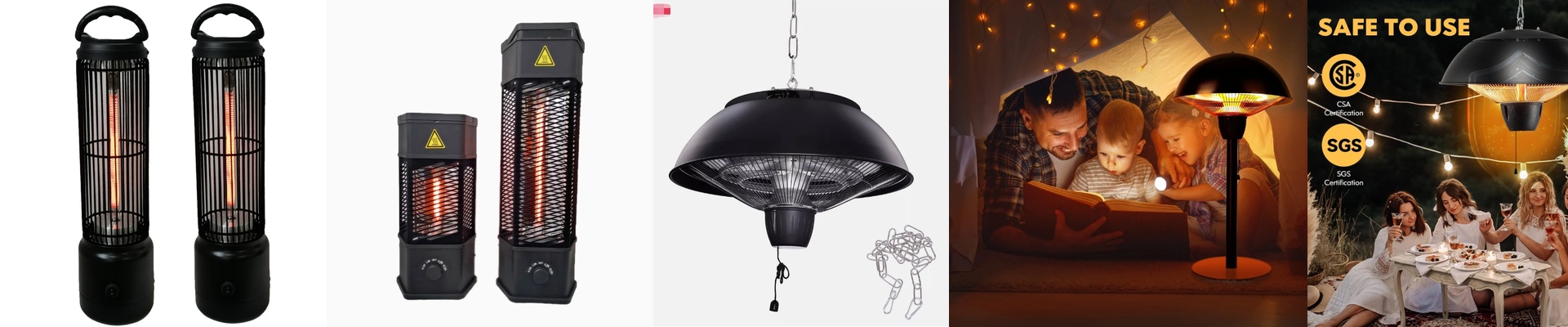
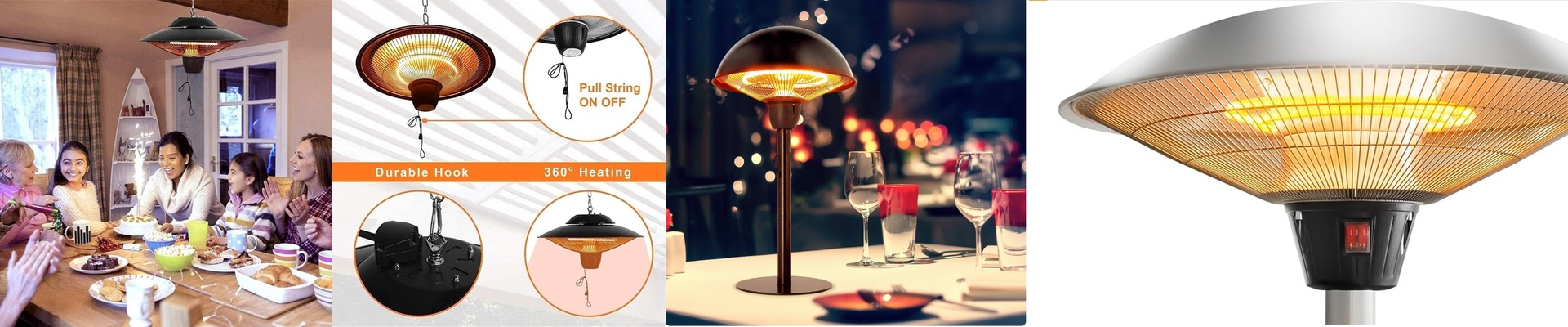
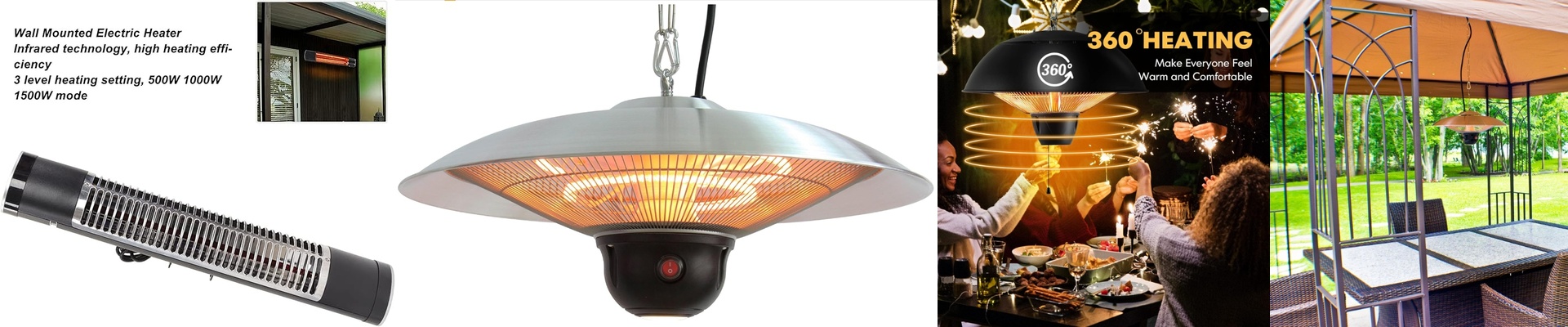
We set out to build a heater for pets from the ground up, and honestly, the whole project came down to one thing: warmth you can trust, without the worry. At the heart of it is a high-quality halogen lamp, built to deliver steady heat and last a long time—even in an enclosed space where animals are living.
Power, Voltage, and a Design That Fits
It runs on standard voltage, so it’s straightforward to set up. We chose 2500W because it gives you enough heat density to warm small-to-medium spaces, without pushing the system too hard. If you’re working with industrial automation, there’s a 400V option. It keeps things stable when you’re tying the heater into larger control systems. And the footprint? It’s compact. Really compact. So it slips into tight enclosures without fighting for space.
The Materials That Matter
The heating element uses a halogen cycle inside a quartz envelope. That means the output stays steady, and the whole thing can handle sudden temperature swings without cracking. We also added a protective coating on the outer surface to bring the glass temperature down. That small touch makes a big difference if an animal gets close. Replacement is quick, too. No tools needed. The connector interface is built for fast swaps. The R7s base gives you solid contact and repeatable alignment. And for setups with a lot of vibration, the Sk15 option is a tough alternative that stays secure.
The Real-World Payoff: Easy Install, Solid Reliability
When you’re on the shop floor, you don’t want a heater that fights you. You want one that wires up fast and keeps working when conditions get real. This lamp is a drop-in replacement in compatible fixtures, so maintenance downtime stays short. It puts out focused radiant heat, which helps keep the ambient temperature steady for pets—without cooking nearby materials.
Why the Price Makes Sense
Here’s the thing: we own the manufacturing process. That means we control quality, and we don’t have to mark things up just to cover a tangle of middlemen. The pricing is competitive, sure—but not because we cut corners. It’s because the material flow is tight, production is in-house, and the engineering is disciplined.
One Practical Note
2500W is serious heat, so you do need to plan for thermal management. Make sure your enclosure ventilation and thermostat control are sized correctly, so internal temperatures stay safe.