

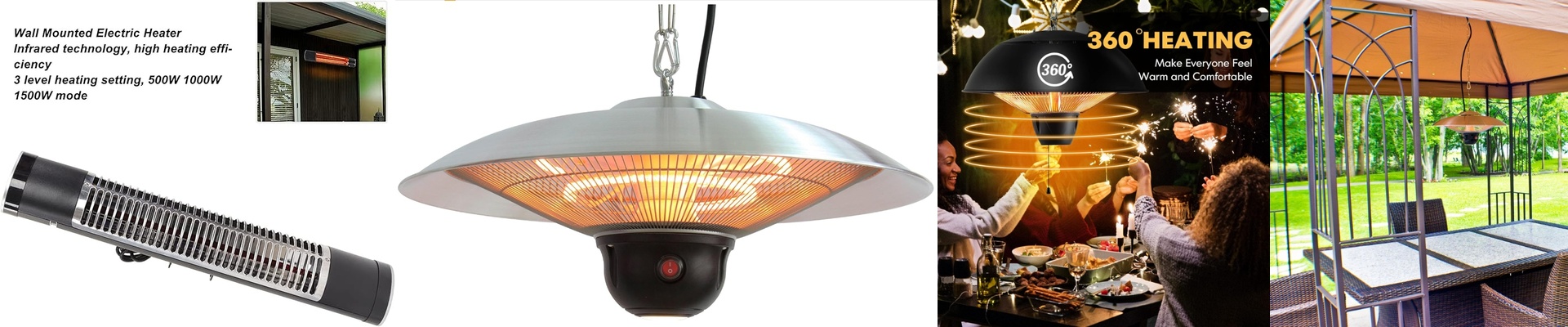
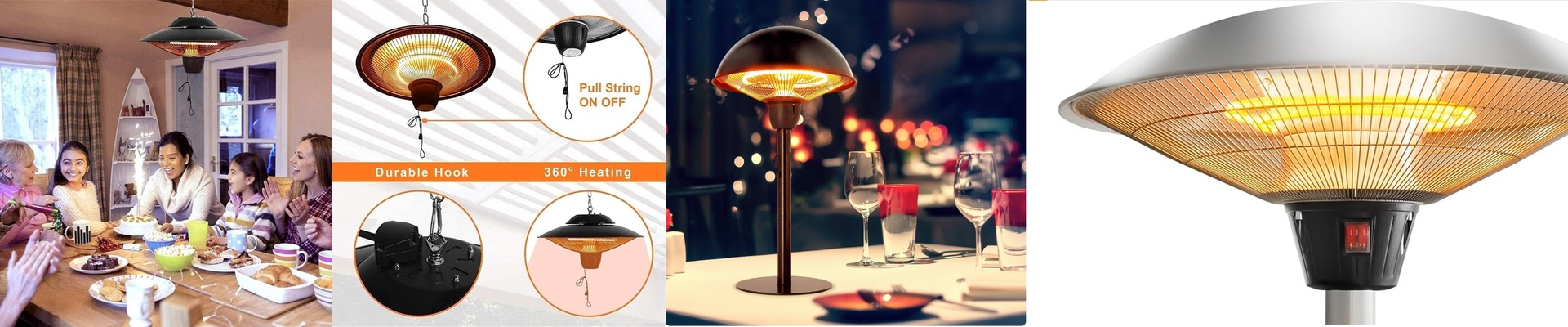
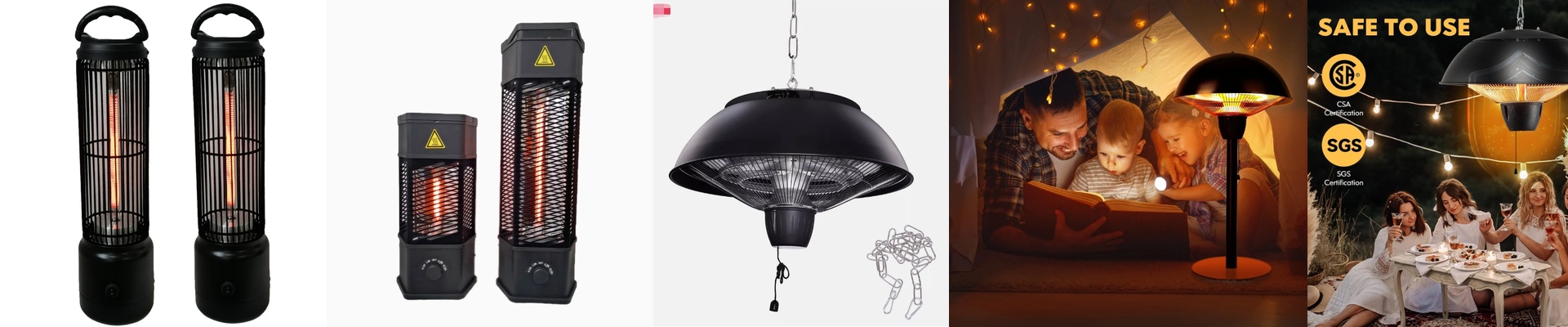
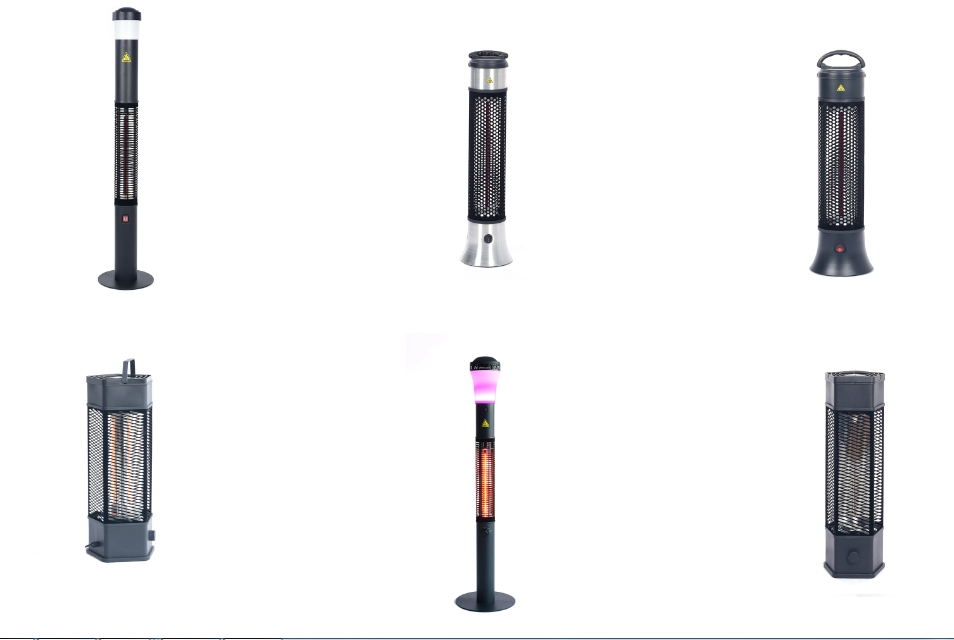
The outdoor heating aisle is packed with noise, but not all warmth earns its keep. When you need heat that holds up on a workshop floor, a patio, or in a commercial space, cutting corners just leads to cold nights, wasted energy, and safety headaches. That’s why we stick to CE-certified infrared electric heaters—because compliance translates into comfort you can count on, and costs that don’t spiral. What matters under the hood We lean on infrared radiant technology, which sends heat straight to people and objects instead of wasting time warming air. No more drafty, on-again-off-again feel like convection heaters. Inside, a carbon fiber element or quartz tube delivers even output, fast warm-up, and a long service life. You get heat within seconds, stable performance across a range of voltages, and quiet operation—no fan noise. Every unit is built with thermostat control for steady comfort and tip-over protection for peace of mind. The CE mark means the design meets strict safety and electromagnetic standards, tested by independent labs. In practice, that means consistent heat you can trust, shift after shift. Why this works in the real world In a market full of questionable heaters, CE certification is a quick shorthand for quality. It cuts down the risk of failure during the busy hours and helps you plan with confidence. Infrared warmth feels natural outdoors, even when the breeze picks up, because the beams target the people in the space, not the empty air around them. Energy use stays focused, so running costs come out lower than with heaters that burn power heating the sky. For homes, workshops, and hospitality, that means steadier comfort, fewer service calls, and a cleaner bottom line. Here are the practical details Infrared electric heaters are straightforward to install, but placement matters. For best results, mount the unit 6–8 feet high with a clear line of sight to seating areas, and keep it at least 3 feet from combustible materials. Most models are designed for covered outdoor areas; many carry IP ratings for weather resistance, but they aren’t fully waterproof—don’t expose them to driving rain. Plan for a dedicated outlet and check local codes. When you choose CE-certified infrared, you’re choosing warmth that’s safe, efficient, and built to last.