
Stop Letting the Cold Kill Your Patio Profits
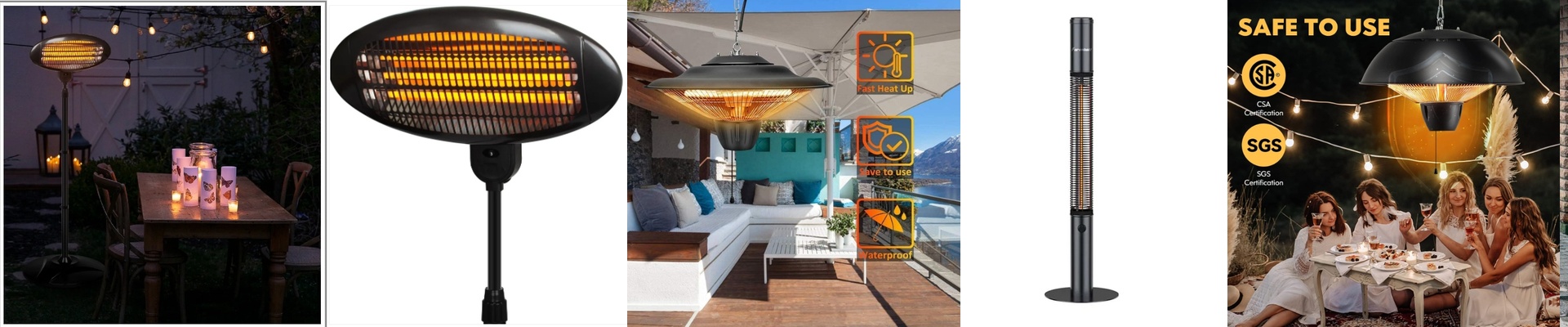
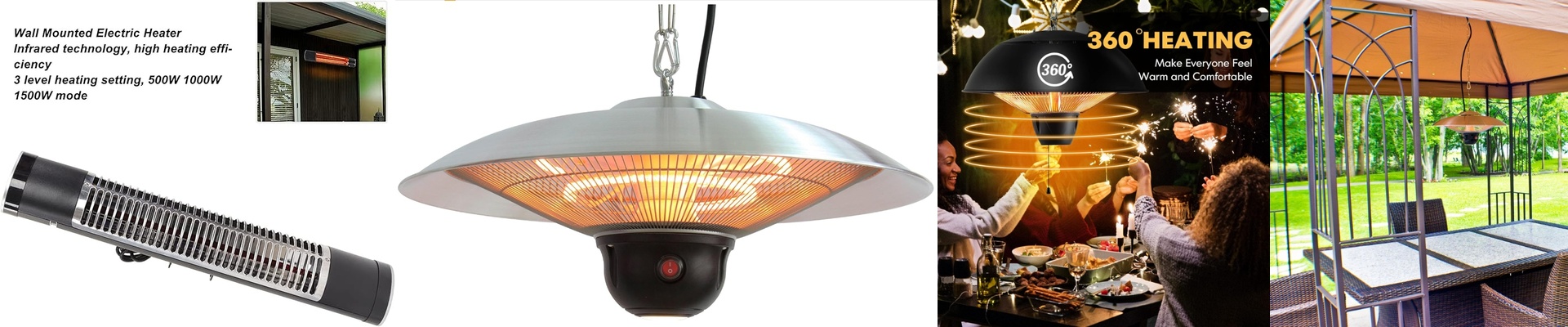
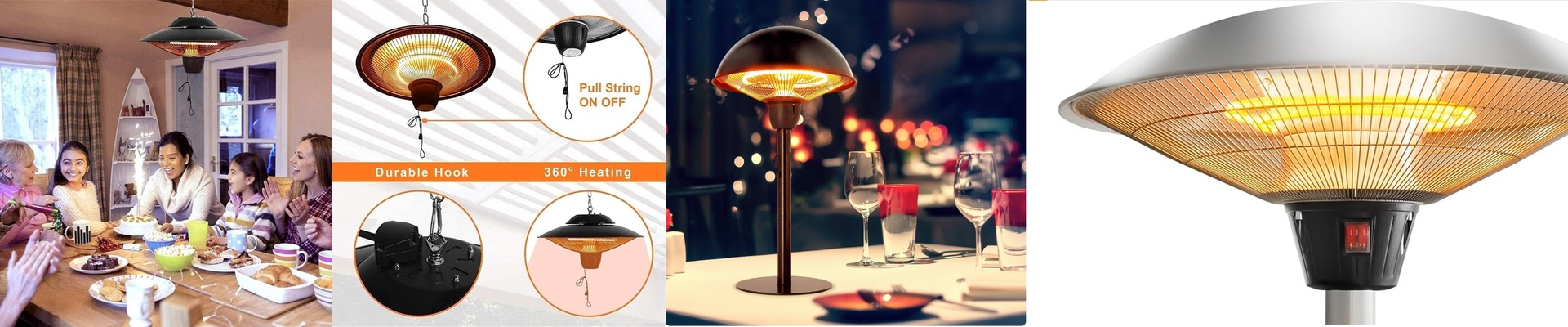
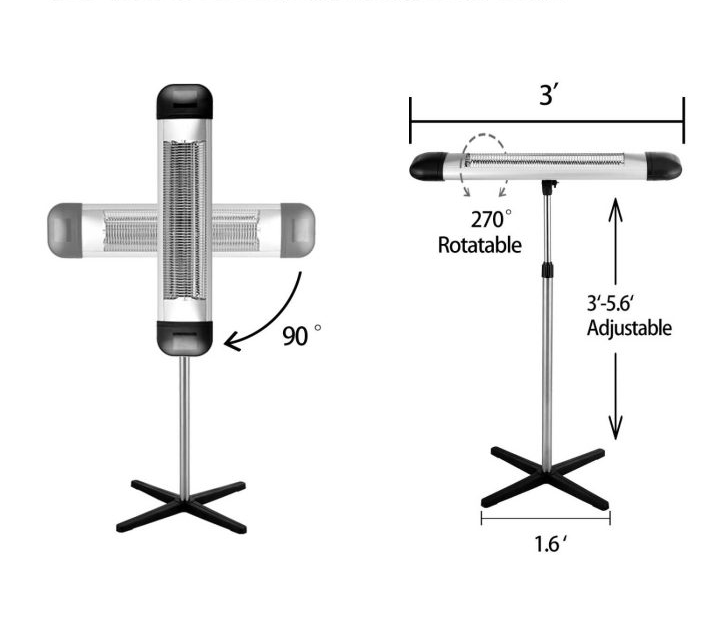
Let’s be honest: nobody wants to sit outside in November. Even if you have a beautiful outdoor space, cold air is a profit killer. Most people try to fight this with forced-air heaters. But here’s the problem—the second that warm air hits a breeze, it’s gone. You’re basically paying to heat the entire neighborhood. That’s why we use shortwave infrared. It doesn’t bother with the air at all. Instead, it sends out waves that warm up your guests and their furniture directly. It feels like standing in a patch of sunlight on a crisp day. Getting the height right If you’re dealing with high ceilings or a drafty industrial space, you can’t go cheap on the wattage. You need enough power to punch through the wind and actually reach the customer. But there’s a catch. If you hang a heater too low, you end up with guests who have toasted heads and freezing toes. Not a great vibe. We prefer high-output units mounted higher up. It spreads the warmth across more tables and keeps everyone comfortable from head to toe. The nitty-gritty on the gear Under the hood, these things use quartz tubes and specialized reflectors. The reflector is the secret sauce—it beams the heat straight down where it belongs. We use gold or polished aluminum coatings because they don’t waste energy. One quick heads-up: check your electrical panel. When a whole bank of these kicks in at once, it’s a massive draw on your power. A 2kW unit usually fits into most commercial setups, but you’ll want dedicated circuits. The last thing you need is a tripped breaker right in the middle of a Friday night rush. More warmth, more money When people are warm, they linger. They order that second bottle of wine or a dessert they weren’t planning on. It turns your seasonal patio into a money-maker all year long. Just remember that infrared works like a flashlight—it’s all about the line of sight. If you put a big umbrella or a structural beam between the heater and the table, you’ve just created a cold spot. Map out your layout based on the beam angle, and you’re set.