

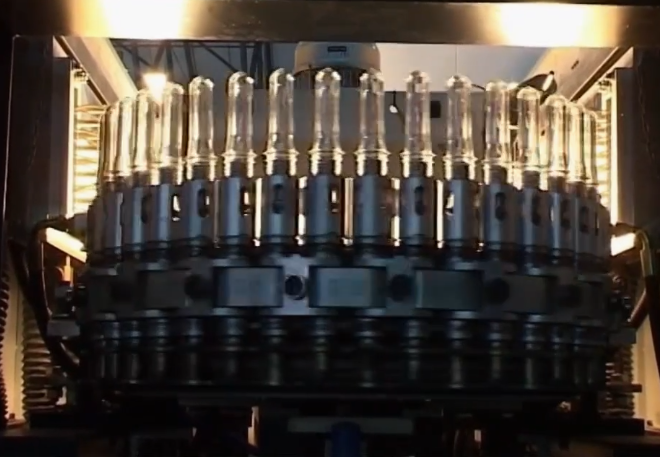
On a Krones stretch blow molder, the heating tunnel is where the whole schedule gets made or broken. Under-heated preforms give you weak shoulders, crystallized necks, and a growing pile of scrap. Let the lamps cycle too often and you’re not just watching energy costs climb—the oven starts to feel like a maintenance headache. The fix isn’t guesswork. It’s using the right Krones bottle blower heater parts, matched to the machine’s thermal profile. What matters, technically Krones lines run on matched infrared heating geometry, so we specify each emitter to the original footprint and electrical interface. The core is a high-purity quartz tube with a halogen lamp element, built for fast response and stable output across the preform heating window. We supply the standard voltages used on Krones blow molders, with the correct base types and R7s connectors so the lamps drop in without rewiring. Wattage density is tuned to the heating zone: enough power for quick cycle recovery, without overshoot that drives temperature drift. The payoff is repeatable heat distribution, one lamp after another. Why it works on a Krones line Drop these parts into the Krones heating tunnel and you restore the original heat map. Preforms hit the right stretch temperature with less variation, so you can run blowing pressure closer to the minimum—fewer bursts, less stress on molds and valves. Faster thermal recovery also cuts temperature-induced stops and shortens restarts after a jam. Over time, you’ll see fewer rejects, more consistent fill heights, and a measurable drop in energy draw because the oven spends less time chasing heat. A few practical notes These emitters are built to OEM tolerances, but they still need proper alignment and clean reflectors to do their job. Check voltage at the lamp socket and verify reflector condition—dirt and oxidation shift heat distribution more than most people expect. If you’re switching from older lamp stock, confirm the thermal profile with a handheld pyrometer. Some plants see a 5–10°C shift until the PID retunes. Treat it like a planned upgrade, not a quick swap.