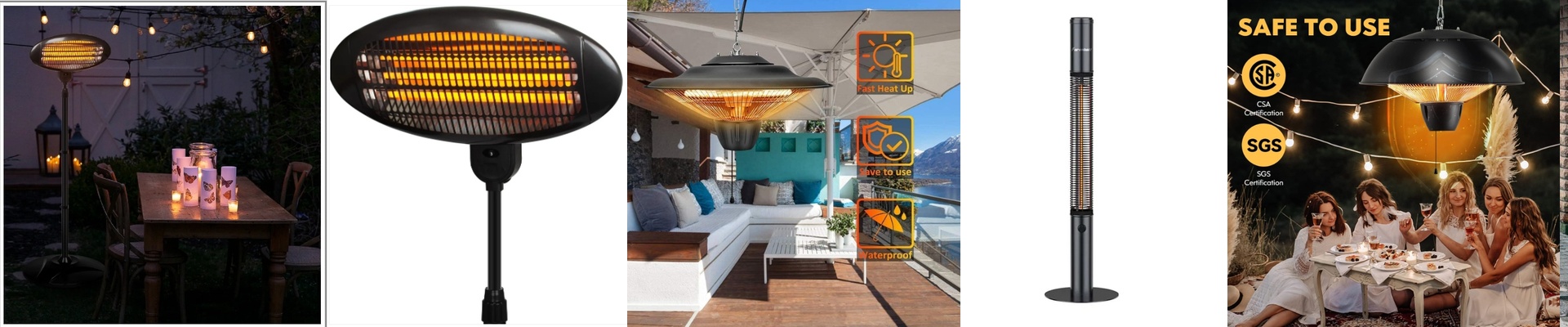
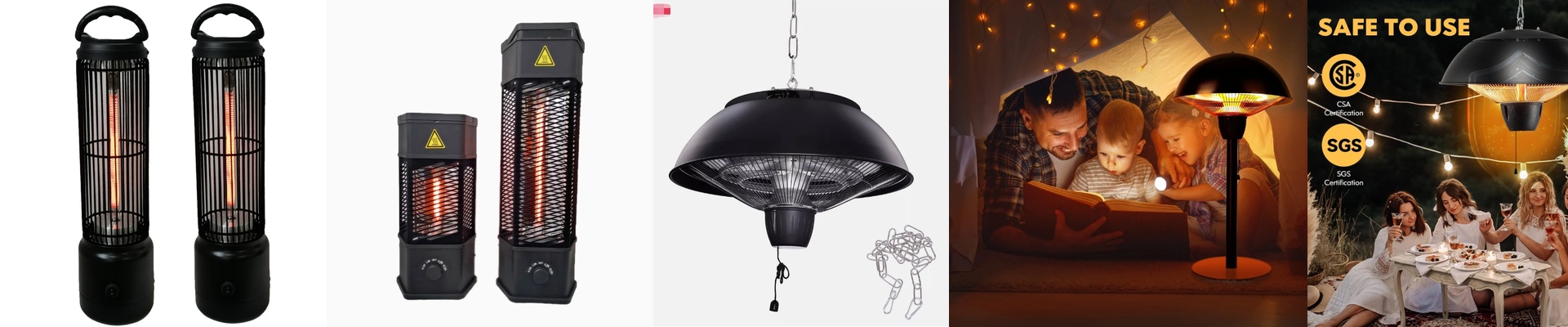
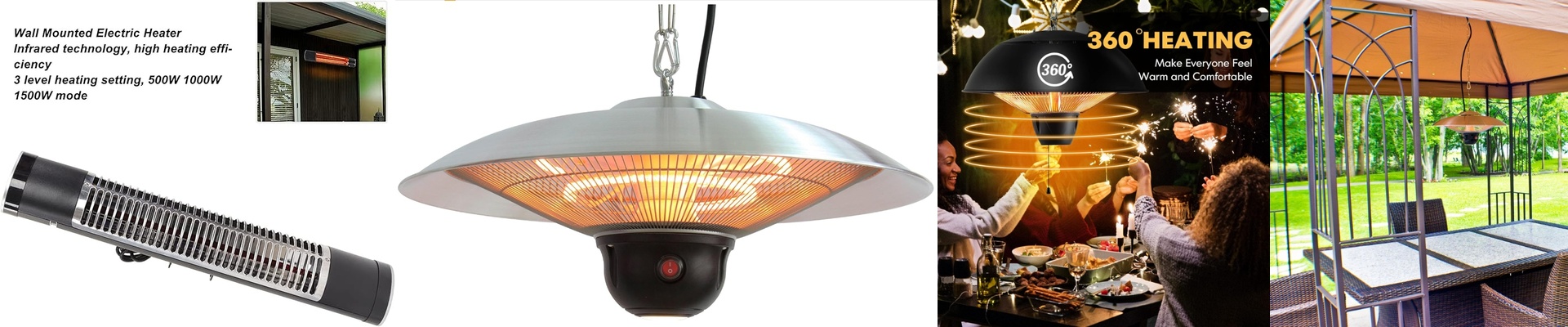
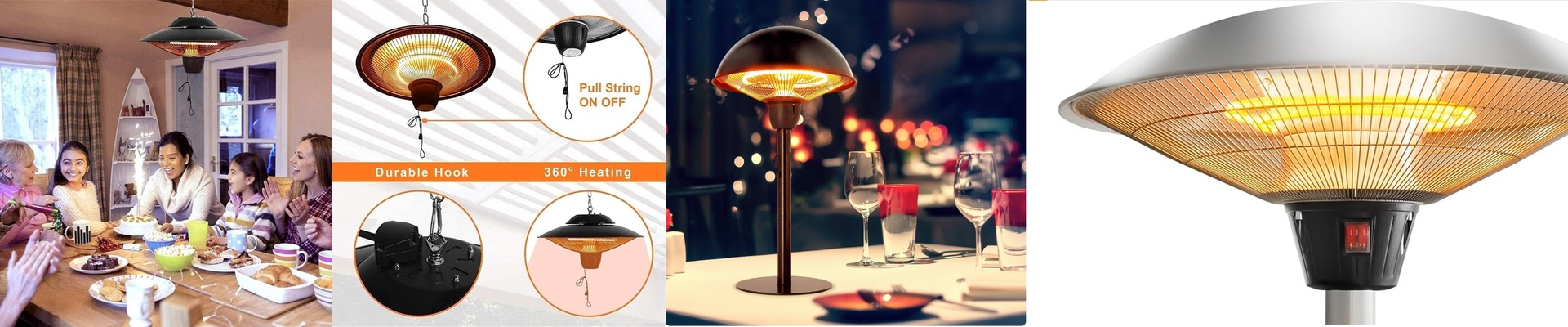
When that holding lamp over your prep line starts flickering, the whole line stalls. Food goes cold, tickets get missed, and you’re paying for labor that’s going nowhere. In a busy kitchen, that bulb isn’t a minor part—it’s the heat source that keeps quality on the plate.
What matters under the hood
We build these replacement heat lamps around short-wave infrared. The quartz envelope and halogen filament come up fast, so the warming zone gets back to temperature almost immediately after a lull. You get tight control, with a stable radiant profile that holds food at safe temps without drying it out or scorching. The payoff is even coverage across the pan—no hot spots, no cold edges.
Why this works on a holding line
On the line, speed and consistency beat brute power. Infrared heats the food surface directly, not the air around it. That means faster recovery after a rush, more consistent holding temps, and fewer swings that wreck texture. You also get longer service life—typically thousands of operating hours—so you spend less time swapping lamps and more time on food. Energy use stays sensible, too, since the lamp heats on demand and shuts off clean.
The details that bite you
Before you swap, match the mounting hardware, lead length, and terminal type to your fixture. Make sure the voltage rating and socket rating line up; mismatched connections lead to intermittent failure and uneven heating. **Infrared lamps run extremely hot at the surface.**Keep clearances clear, and use guards wherever staff are moving in close. If your warmer relies on a thermostat, confirm the lamp’s response time plays nicely with the control cycle. Some older controls need a lamp that matches their cycling behavior.