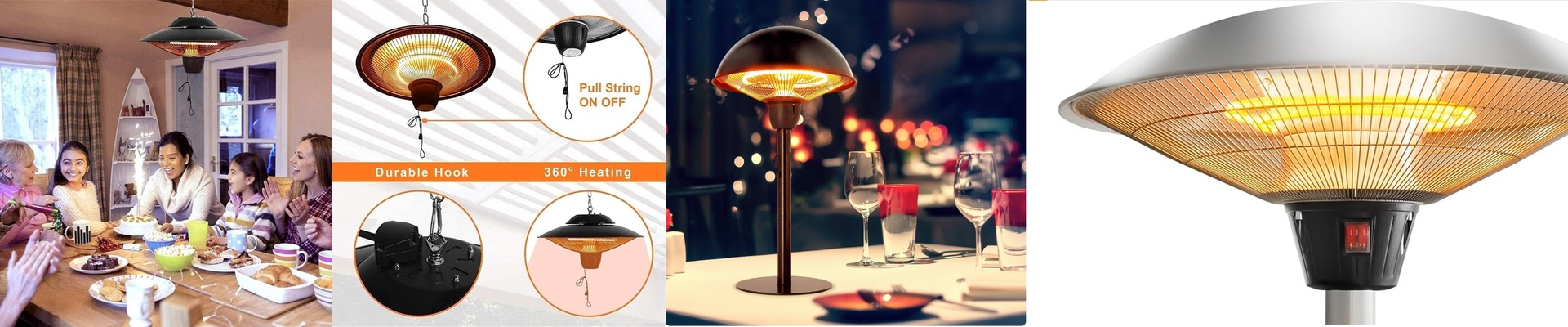

Why We Use Explosion-Proof Quartz Glass in Bathroom Heaters
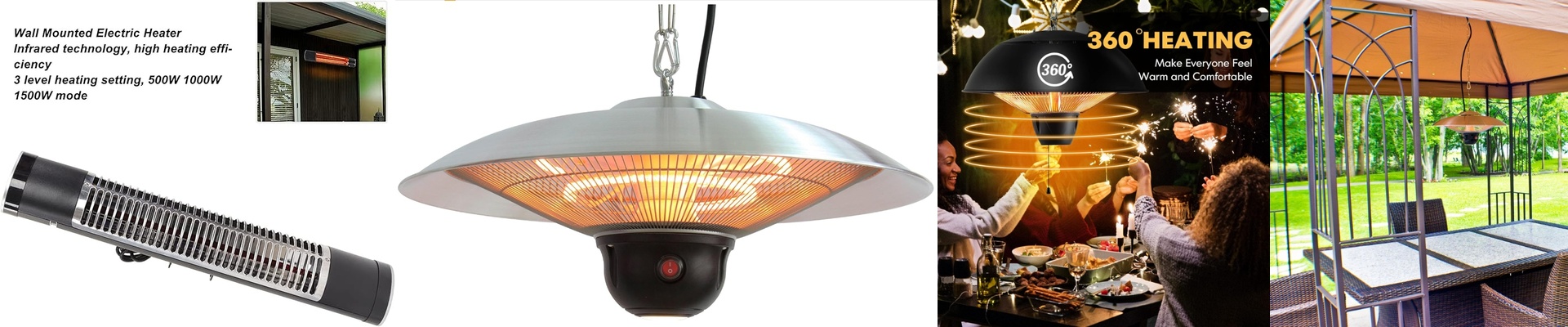
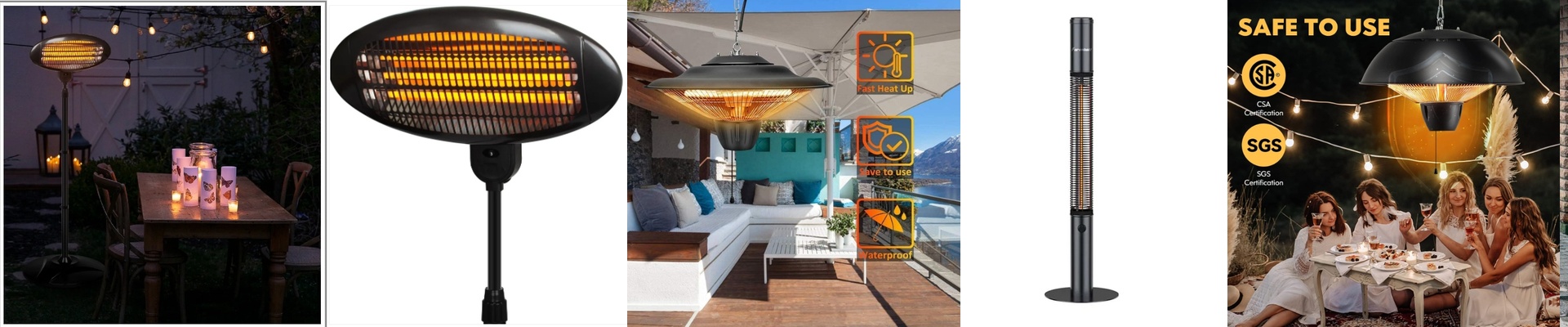
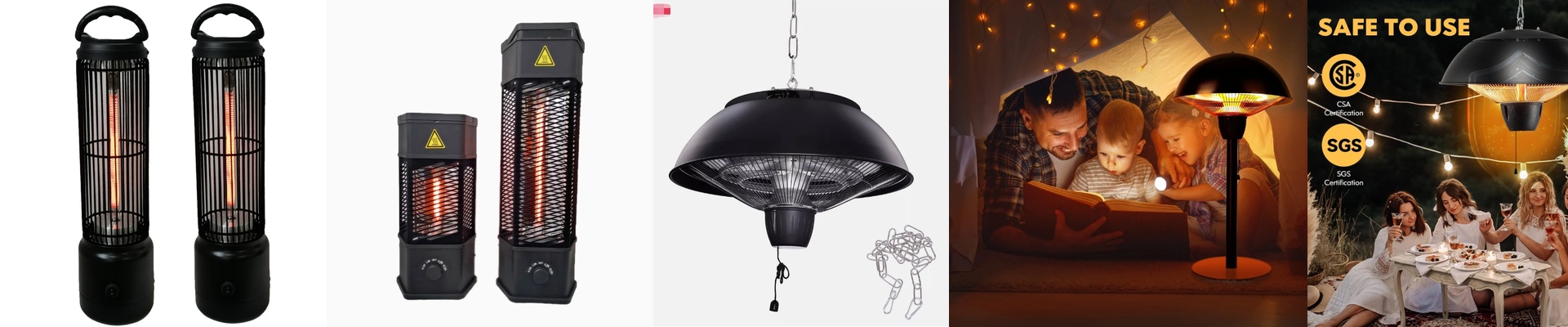
Let’s be honest: bathrooms are a nightmare for electronics. You’ve got freezing cold air one minute and a wall of steam the next. When you switch on an infrared heater, that quartz tube hits over 800°C almost instantly. Now, imagine a single drop of cold shower water landing on that scorching surface. If you’re using regular glass, it doesn’t just crack—it can shatter. That’s exactly why we don’t mess around and use explosion-proof quartz tubes instead.
The “Thermal Shock” Problem
Here is the thing about quartz. It’s tough, but it has its limits. In a shower, the temperature difference between the hot tube and a cold water droplet is massive. This causes the glass to shrink and expand in a tiny, localized spot. Without the right reinforcement, the tube just snaps. To stop this, we use glass that’s been chemically strengthened or wrapped in a protective mesh. The goal is simple: if the glass ever does fail, the shards stay put. You don’t want glass raining down on you while you’re stepping out of the shower.
Heat That Actually Works
These lamps use a tungsten filament inside a halogen-filled quartz envelope. It sounds technical, but all it means is that the filament can run much hotter without burning out. The result?Instant heat. There’s no waiting around for a radiator to warm up. You flip a switch and you feel it immediately. Just a heads-up: because this heat is so intense, the housing has to be built to handle it. If the reflectors are off-center, you might actually warp the plastic casing.
A Few Tips on Setup
Wiring these is pretty easy, but please, make sure your gaskets are tight. If moisture leaks into the electrical terminals, you’re looking at corrosion and a dead heater way sooner than you should. Now, I’ll be straight with you: these explosion-proof tubes are heavier and cost more to make than the cheap stuff. You’re paying a bit extra for that safety margin. But when it comes to your bathroom? It’s the only way to go.