
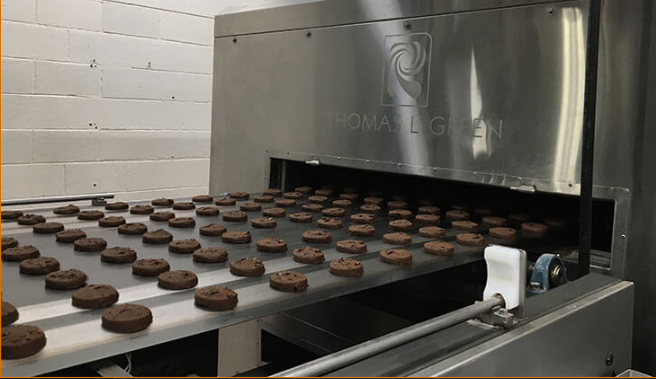
Keeping Your Steam Oven SWIR Lamps from Dying Early
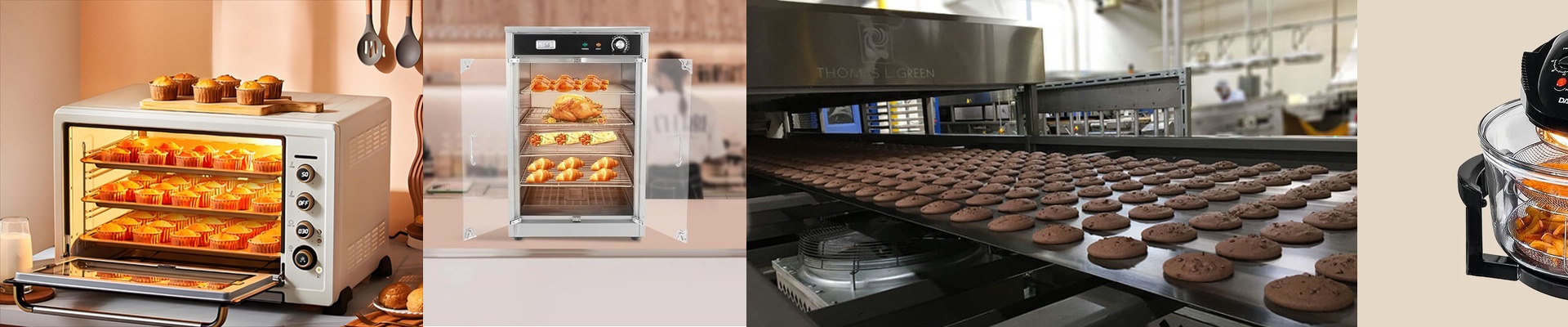
Let’s be honest: steam ovens are a nightmare for heating elements. You’ve got thick humidity, wild temperature swings, and moisture hitting everything. It’s a brutal place for a lamp to live. If you want your short-wave infrared (SWIR) lamps to actually last, you have to get the seal and the filament chemistry exactly right. The power side of things SWIR lamps are fast. Like, “hit the food immediately” fast. While long-wave heaters spend time warming up the air, SWIR just dives straight into the surface of the food. We usually go with high-wattage density here. Why? Because when someone flings the oven door open, you lose a ton of heat. You need the oven to bounce back instantly. Now, if you run a high-voltage tube, your heat footprint stays tight and focused. But a word of warning: higher wattage puts more stress on your contactors. Just double-check that your wiring can handle that peak current, or you’re going to have an overheating problem on your hands. Quartz and the “Magic” of Halogen To keep the tungsten filament safe, we wrap it in heavy-wall quartz glass. It’s tough. It can take a blast of steam without cracking under the pressure. Inside that glass, there’s a halogen gas cycle happening. This is the secret sauce. It stops the tungsten from evaporating and sticking to the glass. Without it, your tube would turn black and basically stop working in a few hundred hours. We also use reinforced end-caps because if even a tiny bit of steam leaks into the arc chamber? Boom. The lamp is gone. Setting them up (and where to be careful) The good news is that these usually just slide right into standard R7s or SK15 sockets. It makes the wiring a breeze. But here’s the catch: these lamps getinsanely hoton the surface. You can’t just tuck them anywhere. If they’re too close to your plastic liners or gaskets, you’re going to see some warping. Give them some breathing room or throw in a heat shield. And one last tip: keep an eye on your reflectors. Give them a check every six months. If a reflector shifts even a little bit, you’re throwing away 20% of your energy. It’s a small tweak that makes a huge difference.