
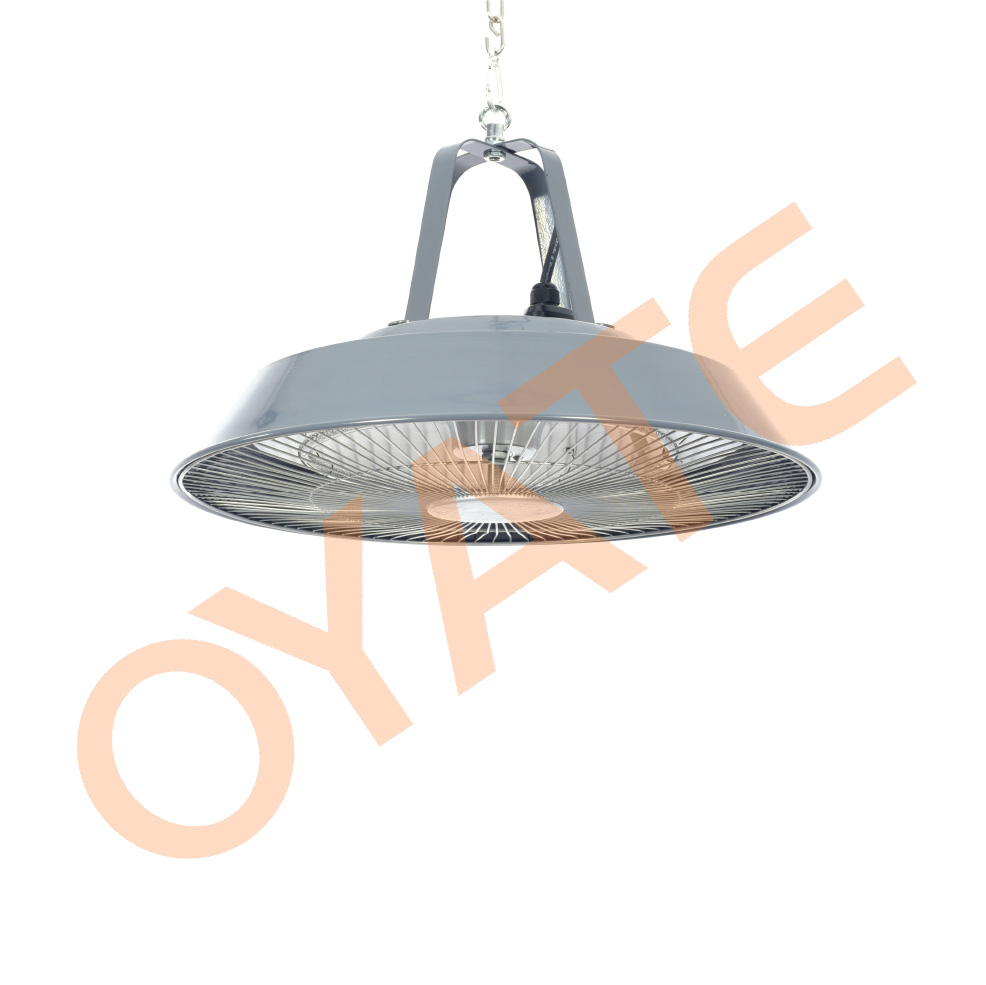
Making Sure Your Bathroom Heater Actually Lasts
Let’s be honest: bathrooms are a nightmare for electronics. You’ve got thick steam, random splashes of water, and the temperature swinging from freezing to boiling in a matter of minutes. It’s a brutal environment. We build our infrared heaters to an IP55 standard to keep the guts of the machine dry. But look, a rating on a spec sheet doesn’t mean much in the real world. That’s why we don’t just trust the label—we put every single batch through the wringer with damp-heat aging tests.
Why we push them to the breaking point
An IP55 rating basically says the unit can handle some dust and a few water jets. But your bathroom is different. The heater doesn’t just get wet; it “breathes.” As it heats up and cools down in a room full of steam, the seals expand and shrink over and over again. To get ahead of that, we lock our units in humidity chambers. We simulate years of wear and tear in just a few weeks. We’re looking for the bad stuff: leaky gaskets, rusty terminals, or wires that start to fray.If it’s going to fail, we want it to fail in our lab, not in your ceiling.
The tricky part about waterproofing
Here is the thing: waterproofing comes with a trade-off. To get that IP55 protection, we have to use tighter seals and heavy-duty gaskets. The downside? It restricts airflow. Since the internals are locked tight to keep water out, the heat builds up inside the chassis more than it would in a cheap, open-air heater. To fix that, we use internal components that can handle much higher temperatures without breaking a sweat.
How it actually feels in your home
Once these are wired in, you can just forget about them. The housing keeps the infrared lamp dry and the electrical connections isolated. You get that steady, deep warmth without worrying about condensation causing a short circuit. We don’t guess how long these will last. We’ve already done the hard work of proving it.