

Why getting the specs exactly right makes all the difference
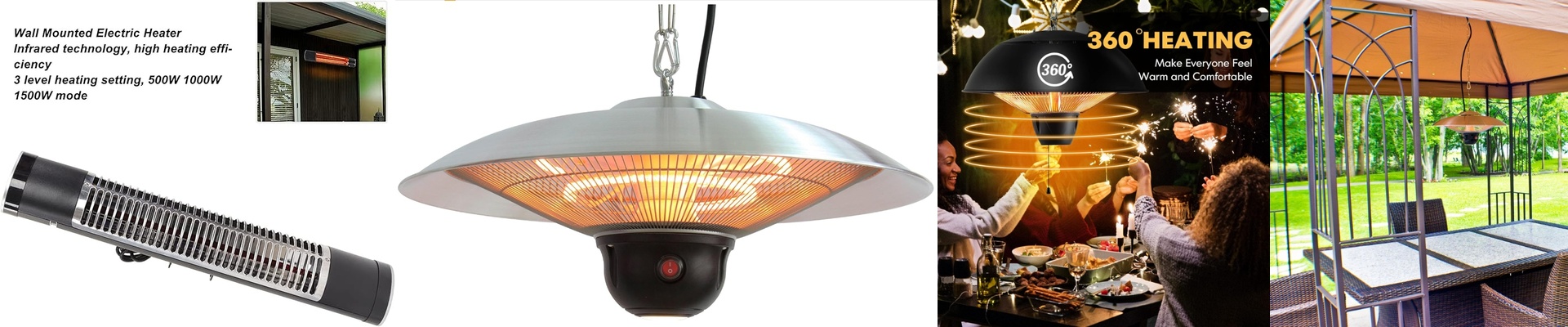
We built this Sidel SBO 16 Series 2 IR heater bulb to be a straight swap for the Sidel Matrix. The whole point? Match the original heat output and how it responds, down to the letter. Pop in our bulb, and your heating curve doesn’t need reworking. The machine sees the same electrical draw and the same heat behavior, so your PET blowing keeps running without a hiccup.
Power, voltage, and size—what really matters
This unit runs at 400V and 2500W, with a 300mm tube length. That combo packs serious heat into a tight space. The 400V setup draws current more efficiently along the line, which helps keep voltage drop in check over longer cable runs. And that 300mm length? It’s fixed by the SBO 16 cavity. We dialed in the wattage to fill that space without pushing the quartz tube too hard. But more power means more heat. With 2500W in such a short length, your machine’s cooling has to be up to the job. It needs to handle the rise in ambient temperature without breaking a sweat.
The guts: materials and design that do the work
Inside, you’ve got a high-purity quartz envelope filled with a halogen gas mix. That chemistry lets the filament run hotter without wearing out fast, so the shortwave IR output stays steady over the bulb’s life. We also tuned the inner coating to bounce specific infrared wavelengths back onto the filament. That boosts thermal efficiency—more heat where you need it, less wasted. And the R7s connector? It’s the standard for this application. Two solid contacts that handle high current without arcing. Wire it just like the original, no socket changes needed.
What this means on the floor for PET blowing
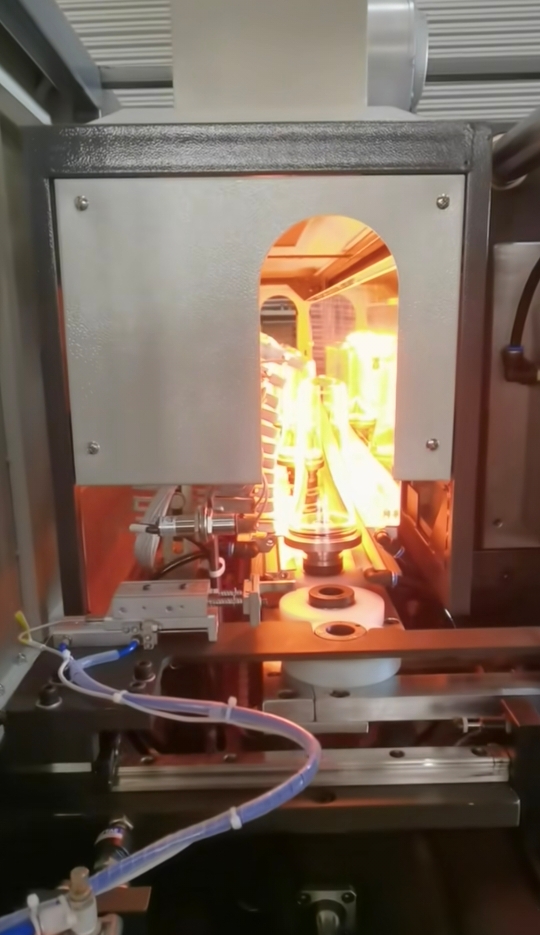
In PET blowing, the preform’s temperature has to land in a tiny sweet spot. Too hot, and the bottle walls go thin. Too cold, and you get brittle blow-outs. Our bulb’s 1:1 thermal behavior keeps the heating profile in line with the original Sideel equipment. Same fast warm-up. Same stable control. That translates to fewer rejects and less time spent recalibrating. For your maintenance crew, it’s a clean, straightforward swap that keeps the line moving.
The honest truth about how it performs
This is a shortwave IR heater. It delivers intense, focused heat—and that means real thermal stress on nearby components. During operation, the quartz envelope will glow red-hot. That’s normal. Just make sure the reflector assembly is clean and intact. If it’s not, heat scatters and your heating uniformity takes a hit. Treat this like the high-output industrial heater it is. Respect the power, and the system will run the way it was meant to.