




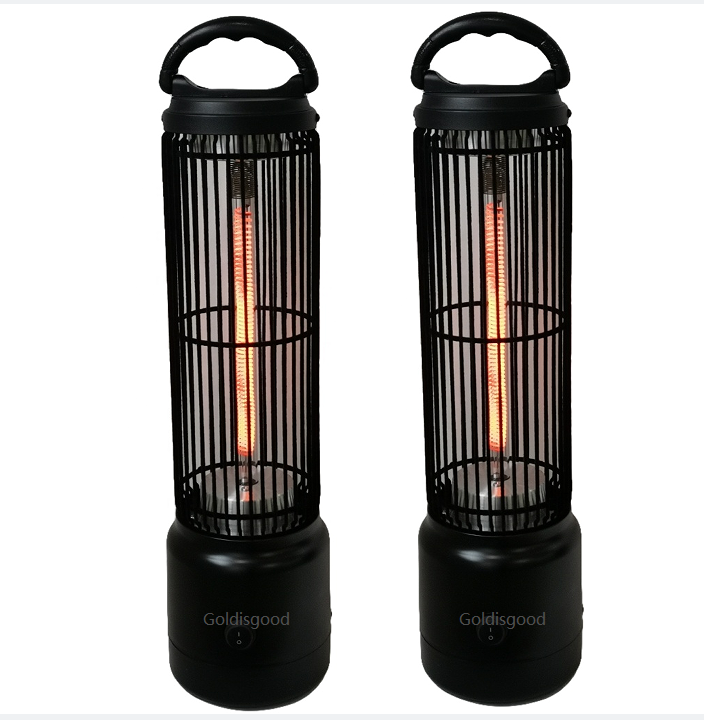
A light coat of dust on the infrared element looks harmless, but it quietly dings your energy efficiency. In a dog house, where a few degrees make all the difference, grime forces the heater to run longer to deliver the same radiant warmth. That means more electricity used—and more wear on the unit.
What’s under the hood
We built this dog house heater around a carbon fiber infrared element. It comes up to temperature fast and throws steady, directional warmth without trying to heat the air. That puts comfort right where your dog needs it: at floor and bedding level. It runs on standard 120V household power and draws a conservative 1500W. That’s enough to warm a well-insulated dog house without tripping a typical outdoor-rated circuit. The unit also includes a built-in thermostat and tip-over protection, so it cycles on and off automatically and shuts down if it gets knocked over.
Why this approach fits
Infrared warmth behaves differently than forced-air heat. It warms surfaces and bodies directly, like sunlight, so your dog feels cozy even when the air inside is cooler. That direct transfer gets the space feeling comfortable faster, and it keeps the heat low—right where dogs spend their time. With fewer moving parts, the system runs quietly. No loud fans to startle nervous pets.
What to watch for
Dust on the heating element cuts output and pushes operating costs up. When the unit is off and unplugged, keep the front grill and the element area clean with a soft brush or a vacuum crevice tool. These heaters perform best in insulated, draft-resistant dog houses. If the shelter leaks air, the heater will run longer to compensate. And the outlet and cord need protection from chewing and moisture. Use a grounded outdoor-rated extension cord, and route it where your dog can’t reach it.