



Cold floors and sluggish mornings in the shop aren’t just uncomfortable. They slow you down, stiffen your hands, and make precision work feel like a gamble. When the air sits still and chilled, you need heat that gets to you fast—not just warm air that rises and vanishes.
What matters under the hood
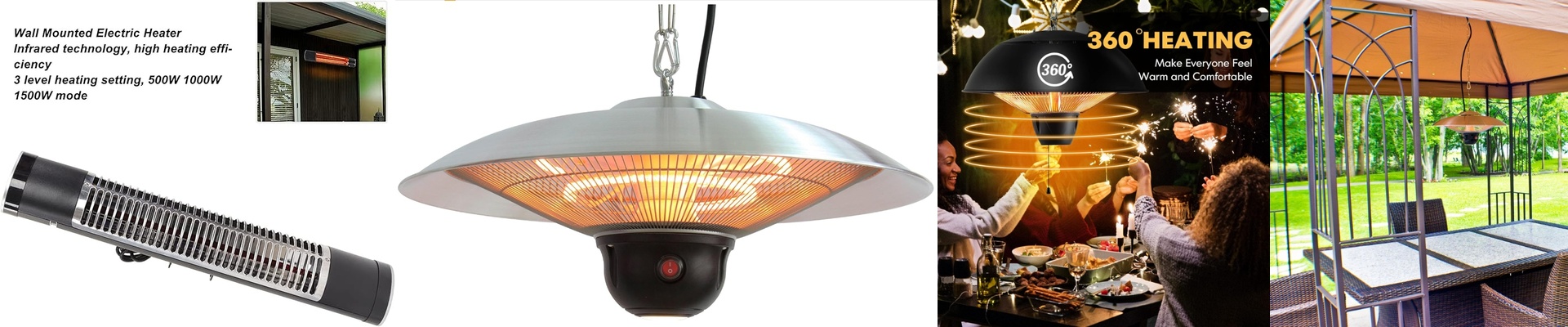
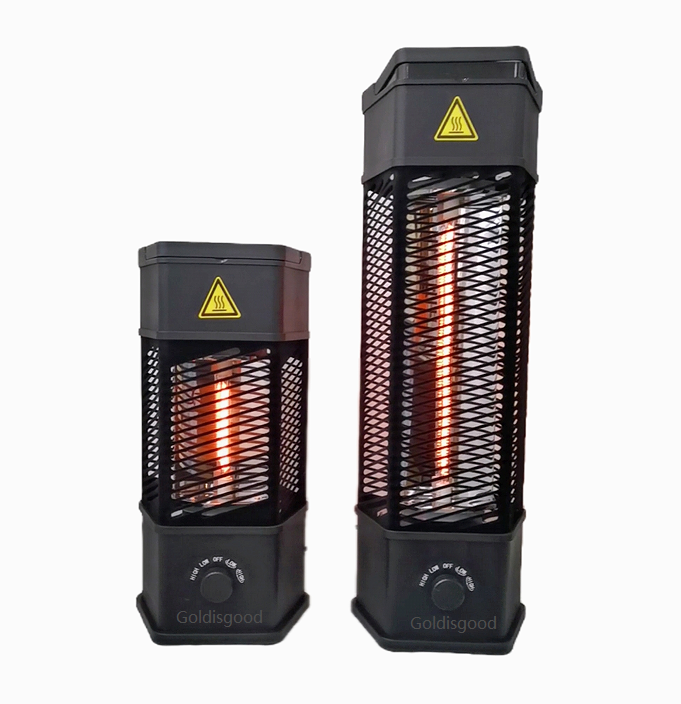
Infrared workshop heaters throw radiant heat in straight lines, warming people and objects directly. Output is measured in watts, and the emitters are usually quartz tubes or carbon fiber elements—they come up to temperature quickly and radiate efficiently. For most home-shop setups, a 1500W electric heater strikes the practical balance: enough punch to make a noticeable difference, without needing a dedicated circuit in a standard garage. Because the warmth is directional, placement matters as much as power.
Why this works where you work
Mount height directly changes how much infrared warmth actually reaches you. Too low, and you end up with a hot spot on the floor while your upper body stays cool. Too high, and the beam spreads out, diluting comfort. For focused work areas, we generally set the heater’s centerline 6 to 8 feet off the floor. Angle the heater slightly downward toward the bench, and you feel steady warmth right where you need it. Hands relax faster, tools feel more controlled, and you can keep working instead of constantly peeling off or adding layers.
The details that make the difference
Infrared heaters aren’t traditional space heaters—they don’t warm the room air first—so comfort comes down to line-of-sight and distance. Aim the unit at the spot where you stand or sit most, and keep the clearance to combustibles as the manual specifies. Radiant intensity drops with distance, so don’t mount the heater so high that you’re outside the effective comfort zone.It’s better to mount a little lower and feel the heat than to chase broad coverage that never reaches you.