
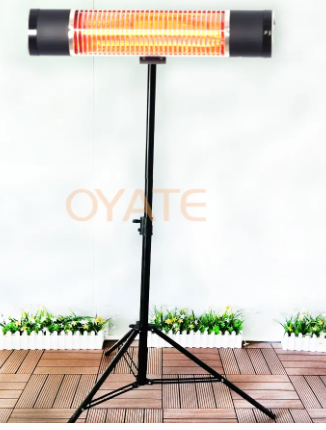
Keeping People Warm in Wet Rooms
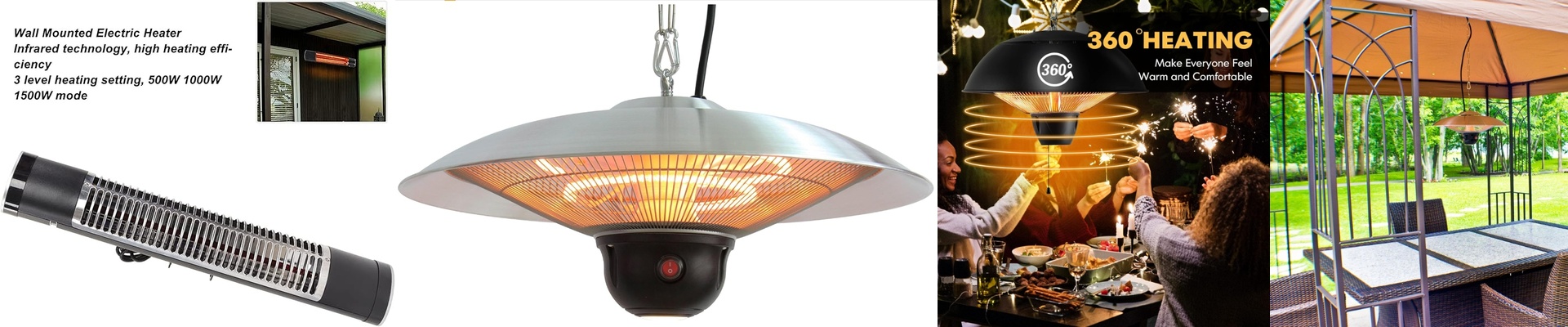
Locker rooms and changing areas are a nightmare when it comes to heating. You’ve got water splashing everywhere, the air is thick with humidity, and people are walking in cold and wet. They don’t want to wait ten minutes for the room to warm up—they want to feel warm the second they step inside. That’s why we go with IPX4-rated infrared heaters. Most heaters try to warm up the air. But in a drafty room, that warm air just floats away or gets sucked out. Our units work differently. They send out shortwave radiation that hits your skin and the walls directly. It’s an instant hit of heat.
Why it works so fast
We use quartz halogen elements to make this happen. Think of it like the sun. The heat doesn’t need to “warm up” the air to get to you; it just travels through it. This is a huge deal in a changing area where there’s a constant breeze. While a standard heater is fighting a losing battle against the draft, infrared just cuts right through it. We dial up the power density so that “luxury hotel” feeling happens the moment someone walks through the door.
Built for the splash zone
Since these live in wet rooms, we can’t just use any hardware. The IPX4 rating is basically our promise that the unit can handle water splashes from any angle. We seal the wiring and the housing tight so you don’t have to worry about shorts. Now, you can’t throw them in a pool, but they’ll handle the mist and spray of a busy shower area without breaking a sweat. We also use powder-coated aluminum for the casing to stop the humidity from eating away at the metal, and heavy-duty reflectors to push all that heat straight down where it’s actually needed.
A few things to watch out for
You can’t just slap these anywhere. Shortwave IR is intense. If you mount them too low, it’s not “cozy”—it’s uncomfortable, and you risk actually burning someone. We usually suggest keeping them at least 2.2 meters up. And a quick heads-up on the electrics: these things pull a lot of power to get that instant heat. If your wiring is old or undersized, you’re going to trip the breaker the second they kick in. Make sure your circuits are spec’d for that initial surge before you flip the switch.