Why Your Bathroom Heater Keeps Dying (And What to Do About It)
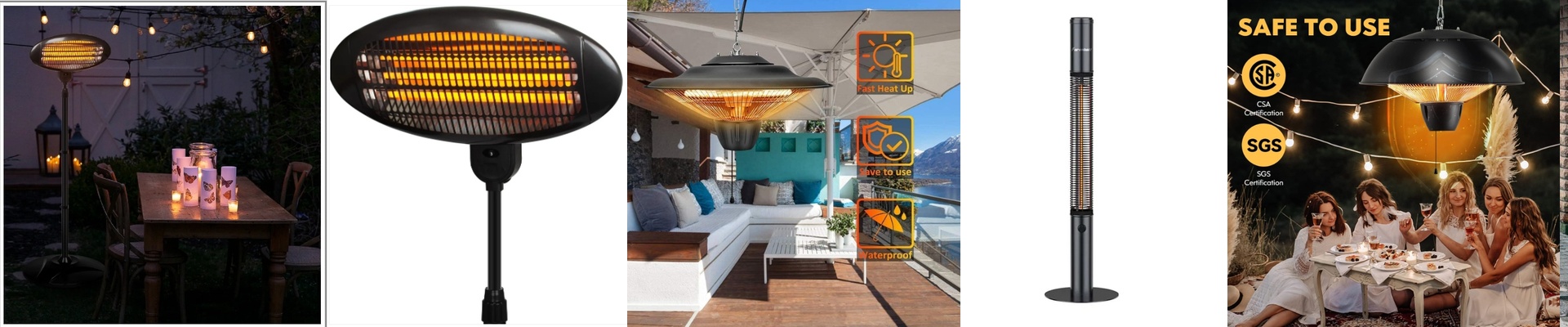
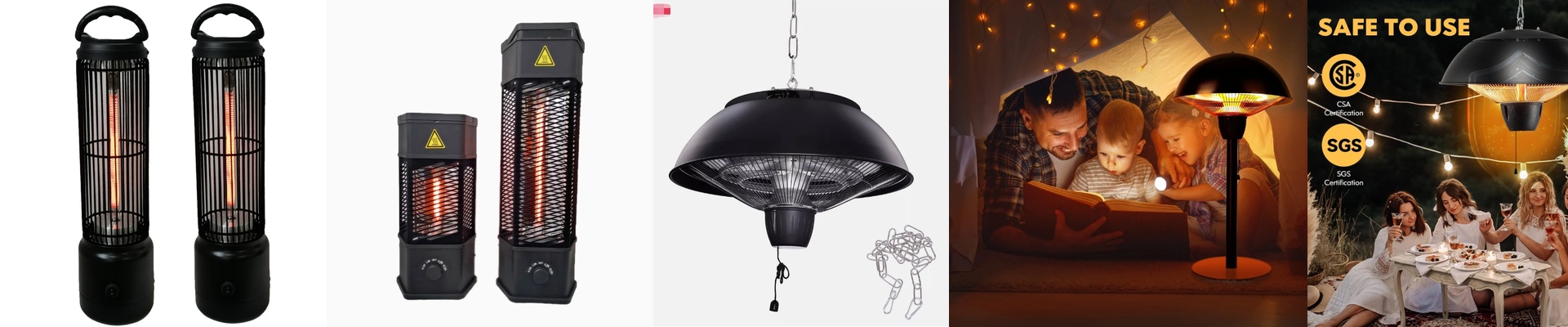
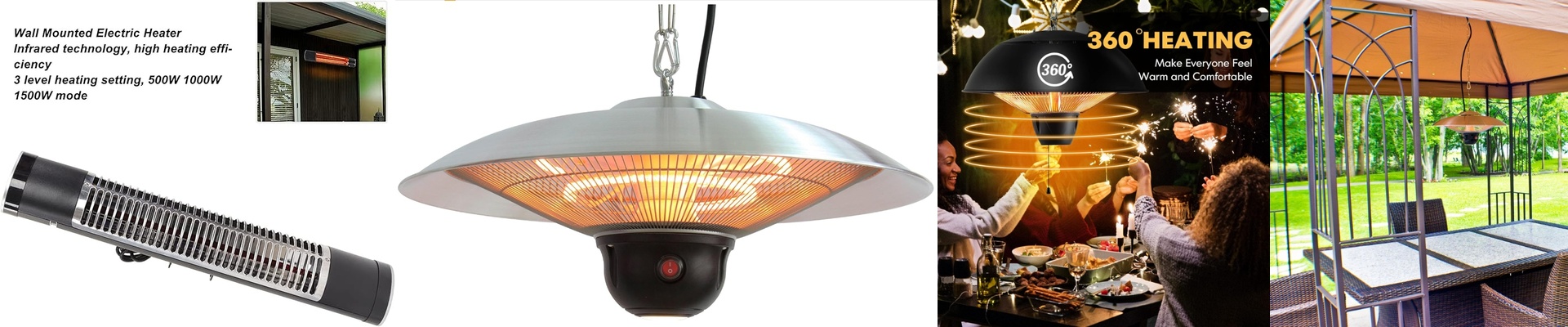
Let’s be honest: those standard bathroom lamp heaters are kind of a joke. You install them, they work for a while, and then—bam—they short out. Why? Because bathrooms are basically steam rooms, and most of those heaters just aren’t built to handle that kind of moisture. That’s why we’ve been moving toward waterproof infrared systems. They actually handle the steam and the occasional splash without giving up the ghost. The secret is in the seal Here is the thing about “IP ratings.” It sounds like boring technical jargon, but it’s actually the only thing that matters in a wet zone. Standard heaters have gaps. Steam creeps in, settles on the electronics, and fries the unit. The infrared units we use are sealed tight. We’re talking heavy-duty gaskets that keep the water away from the live wires. It’s the difference between a heater that lasts a season and one that actually lasts years. Instant heat, no waiting Most of these upgrades use shortwave infrared. It’s a completely different feeling. Traditional heaters try to warm up the air, which takes forever in a cold room. Shortwave doesn’t bother with the air; it hits your skin and the surfaces around you directly. It’s instant. We use quartz glass tubes for this. They’re tough. They can go from freezing to 500°C in a heartbeat without cracking. It just works. A couple of things to watch out for You can’t just throw these in and hope for the best. Since infrared heat is so intense and directional, placement is everything. If you mount the unit too flush against a low ceiling, you’re asking for trouble. You might scorch the ceiling or trip the thermal cutout. Give the unit some breathing room so it can vent its own heat. And please, don’t just guess the wattage. A 1500W unit in a tiny powder room will turn it into a sauna in seconds. But put a 500W unit in a big master bath? You won’t even feel it. Grab a tape measure, figure out your room size, and pick the wattage that actually fits the space.