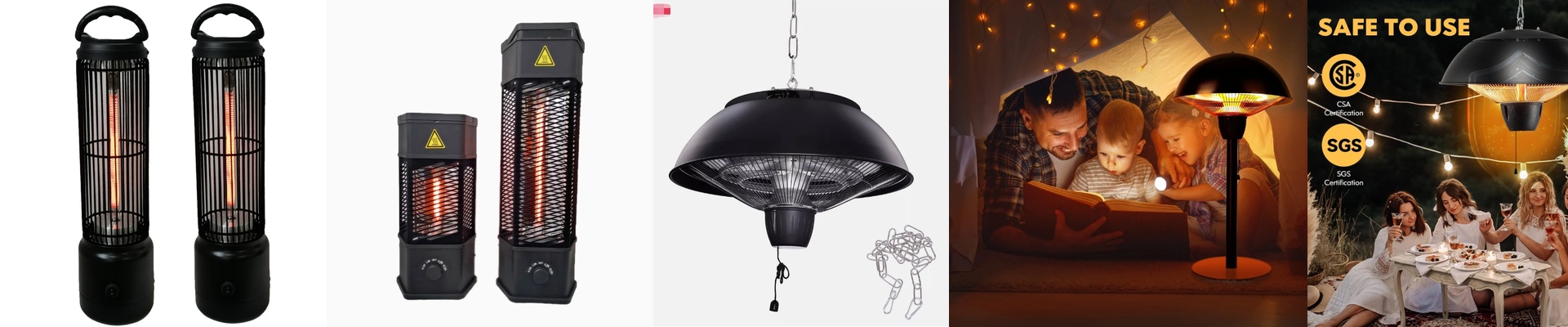
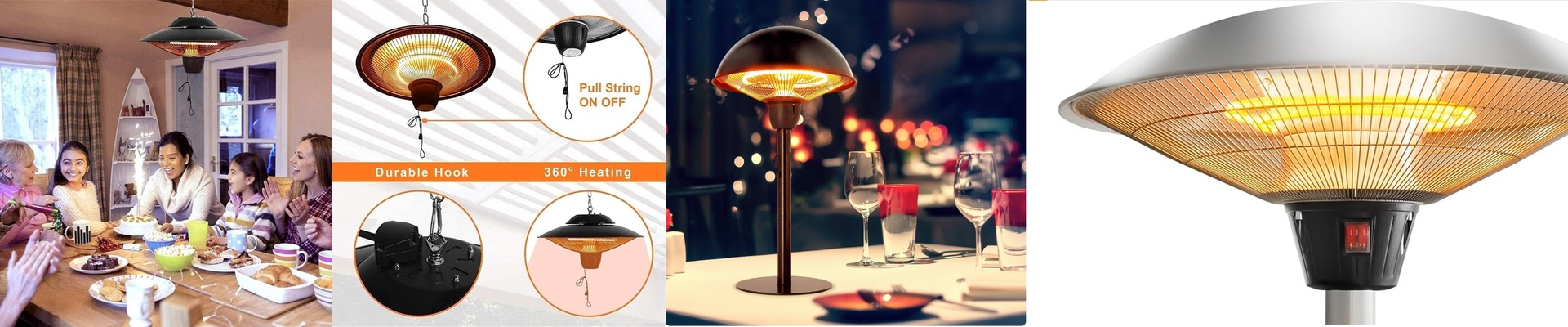
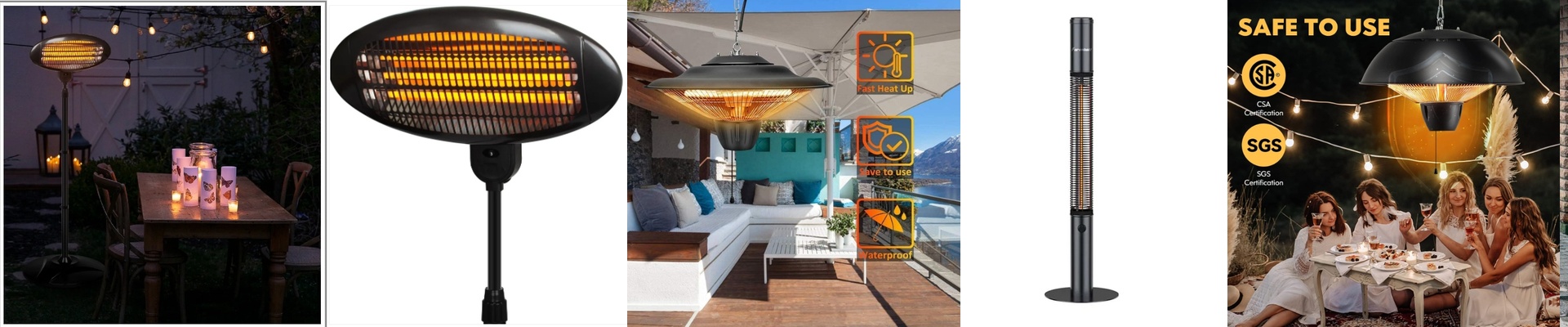
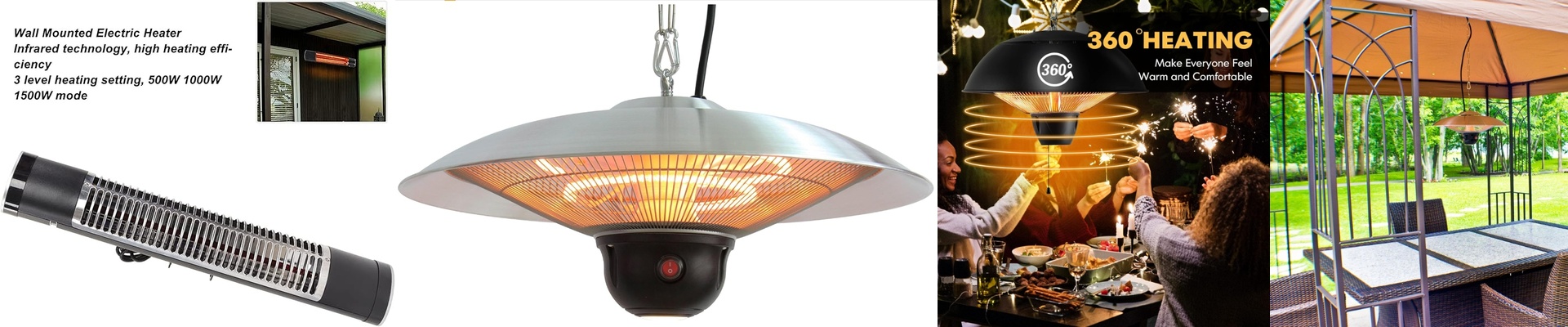
Getting Heat Right in Wet-Zone Spaces
If you’ve ever tried to warm up a changing room or an outdoor transition area, you know it’s a nightmare. You’re dealing with high humidity and constant drafts. Standard heaters just don’t cut it because they try to warm the air—and in these spaces, the air just floats away the second it gets warm. That’s why we use short-wave infrared. Instead of fighting the breeze, it goes right through the air and warms the person’s skin and clothes directly. It’s a totally different feeling.
Dealing with the Damp
Water is the enemy of electronics. In a locker room or outside, moisture finds a way into everything, and that’s usually when circuits fry. To stop that, we use an IP66 rating. In plain English? The housing is dust-tight and can handle high-pressure water jets without breaking a sweat. We seal the electrical junctions tight to keep corrosion and shorts out of the equation. If you’re putting these in a place full of steam, that seal is what keeps the heating element from burning out.
The Magic of Short-Wave Heat
Here is the cool part: these heaters use short-wave infrared emitters. Unlike those old systems that take forever to warm up, these lamps hit their peak temperature in seconds. You flip a switch, and it’s on. No waiting around. It feels like standing in a patch of direct sunlight on a cold day.
A Few Things to Keep in Mind
We usually mount these overhead to cover as much ground as possible. You can plug them into your existing industrial grid, but just a heads-up: these arrays pull a lot of current. Make sure your breakers and wiring can handle that initial surge so you don’t trip the power. There is one trade-off, though. The heat is directional. If someone steps out of the beam, they’ll feel the temperature drop immediately. It’s not like a sauna where the whole room is hot. But honestly? That’s the point. It’s way better than wasting a ton of energy trying to heat an empty room.