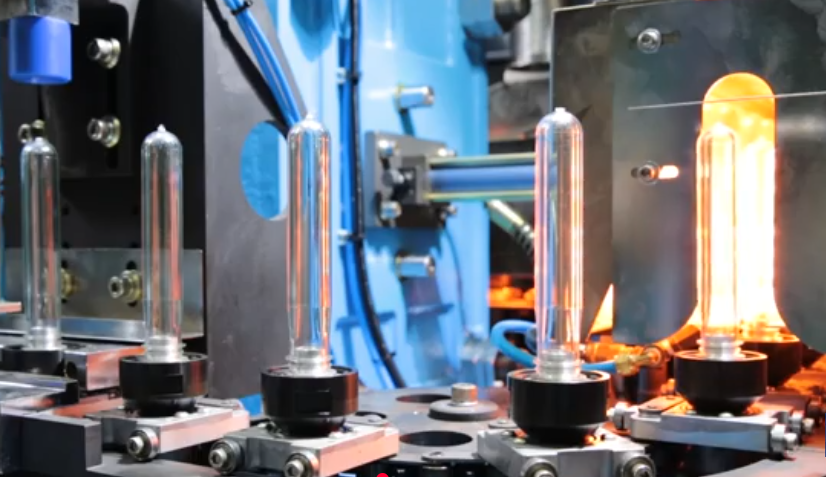
On the floor, the heating tunnel is where the money is made—or lost. Undershoot the heat with quartz IR lamps, and preforms come out cold. You know what that means on stretch blow molding: thin walls, necks that are off-spec, and jams that eat up time. Overshoot, and you get crystallized PET, haze, and a mountain of scrap. Throw in replacement lamps that don’t match OEM specs, and you’re forced to retune the whole heating profile. Every time you retune, you lose uptime.
What actually matters
We make quartz IR lamps that match the OEM footprint for Sidel, Krones, SIPA, Husky, SACMI, and Nissei ASB blow molders. Specs here aren’t marketing copy—they’re geometry and physics. Tube length and arc match the original. The base is R7s, pin spacing is 10 mm, and outer diameter is 12 mm. Power and voltage match the OEM, too: 1200 W at 120 V and 2400 W at 230 V, held within ±2%. Filament design and quartz wall thickness are chosen to hit the same spectral output—typically short-wave IR—so the reflectors you already have focus heat right where the preform needs it.
Why this matters on the line
When the parameters line up, the heating profile stays stable. No more retuning every time you swap a lamp. That shows up as fewer temperature swings in the tunnel, more consistent preform wall temperature, and stretch ratios that behave predictably. Rejects from haze or thin spots drop, and your cycle-time window tightens. Energy use follows the OEM curve because the input is the same and the output matches.
A few practical points
Installation is straightforward—same R7s connector, same clearance—but check the holder. Old ceramic sockets can crack, and oxidized contacts raise resistance, which throws off temperature. Keep the lamp within its rated voltage band. Cranking the voltage spikes filament temperature and cuts life fast. If you run 24/7, plan lamp changes around scheduled stops. We keep the geometry and electrical specs aligned, but the reality is still set by the machine’s age and how clean the reflectors are.