
Why Infrared Actually Works in convection Dryers
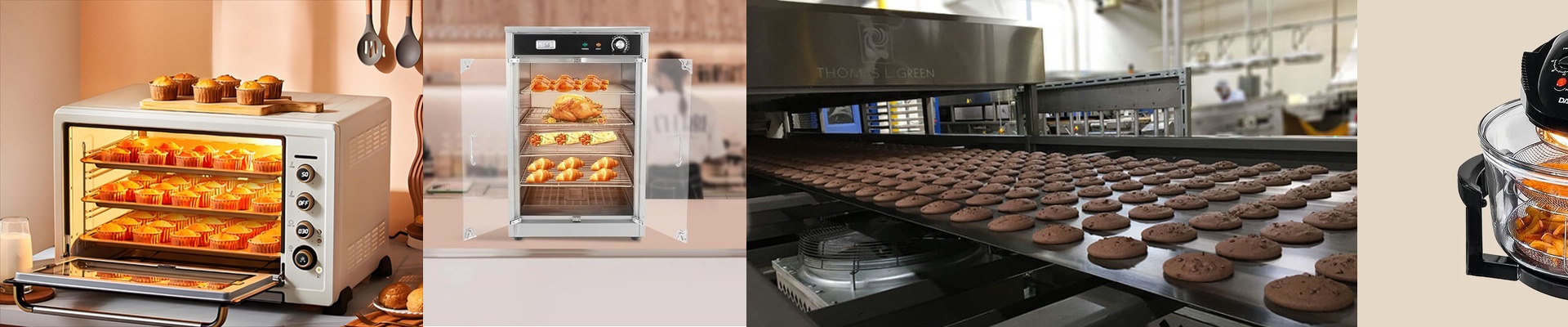
Most convection ovens are basically big boxes of hot air. They wait for the air to heat up, and then that air slowly warms the surface of whatever you’re drying. It’s a bit slow. We do things differently. By using infrared (IR) elements, we skip the middleman. Instead of waiting on the air, the energy travels in waves and hits your product directly. It’s faster. Much faster.
Getting the Heat Where it Matters
If you’ve ever tried to get that perfect “crispy outside, tender inside” finish, you know it’s a balancing act. Short-wave IR is like a punch—it hits the surface hard and sears it instantly. Medium-wave IR is a bit more patient; it sinks deeper into the food. We mix these wavelengths so the center of your product actually gets hot without turning the outside into a charcoal briquette. It’s all about how the energy is absorbed, not just cranking up the dial.
The Trade-offs (The Honest Part)
When you’re picking out these elements, you’ll notice power density is the big variable. A high-wattage quartz tube puts out an incredible amount of heat, but it’s hungry. If you go with high voltage, make sure your wiring can actually handle the load. Otherwise, you’re just asking for a burnout. Then there’s the quartz itself. We use it because it’s great at letting IR radiation through without blocking it. But here’s the catch:quartz is fragile. It can’t take a hit. If you drop a cold piece of metal onto a glowing hot tube, it’s going to crack. Simple as that.
Keeping Things Running
Nobody wants to spend their afternoon rewiring an entire oven just because one lamp died. That’s why we use standard connectors. When a tube goes, you just pop it out, slide a new one in, and get back to work. One last thing—IR creates some seriously intense heat in small spots. You’ve got to make sure your airflow is dialed in. If your convection fans decide to quit, those IR tubes can overheat your housing in a matter of seconds. Keep an eye on your fans, and you’ll be fine.