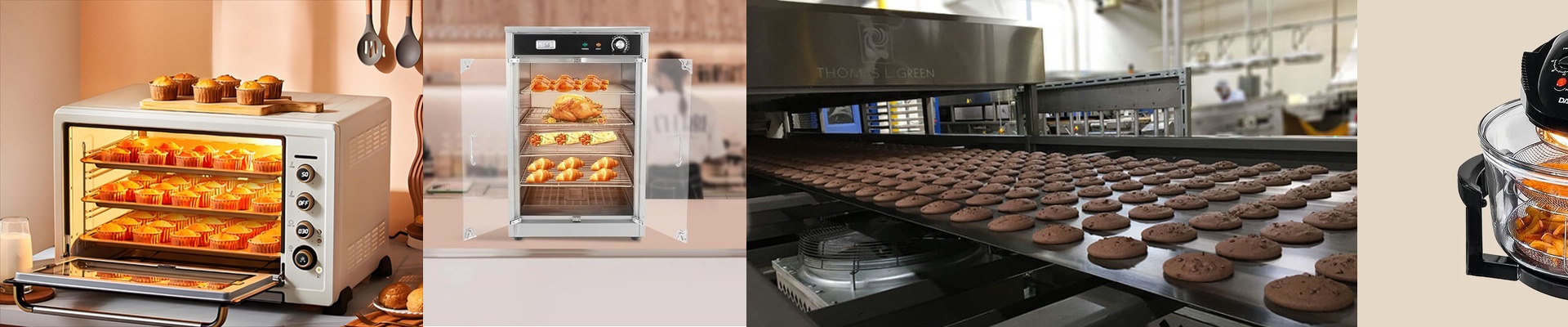
Keeping Your Oven Temp from Tanking
If you’ve ever run a commercial bakery, you know the struggle. You’ve got your oven dialed in perfectly, then someone opens the door or slides in a massive tray of cold dough, and—boom—your temperature plummets. It’s a constant fight. To stop those dips from ruining a batch, we use circular radiant heaters paired with infrared (IR) temperature controls. It’s a much smarter way to handle heat.
Why standard sensors usually fail
Here’s the thing: most ovens use thermocouples. They measure the air or the oven walls, but that’s a laggy way to do things. By the time the wall sensor realizes the oven is cold, your bread has already suffered. We do it differently. We use IR sensors that look directly at the surface of your pastry or bread. The second that sensor sees the product temperature dip, the PID controller kicks the circular elements into high gear. It’s a tight loop. The heaters don’t just run on a mindless timer; they react to exactly what’s happening to the food in real-time.
The gear that makes it work
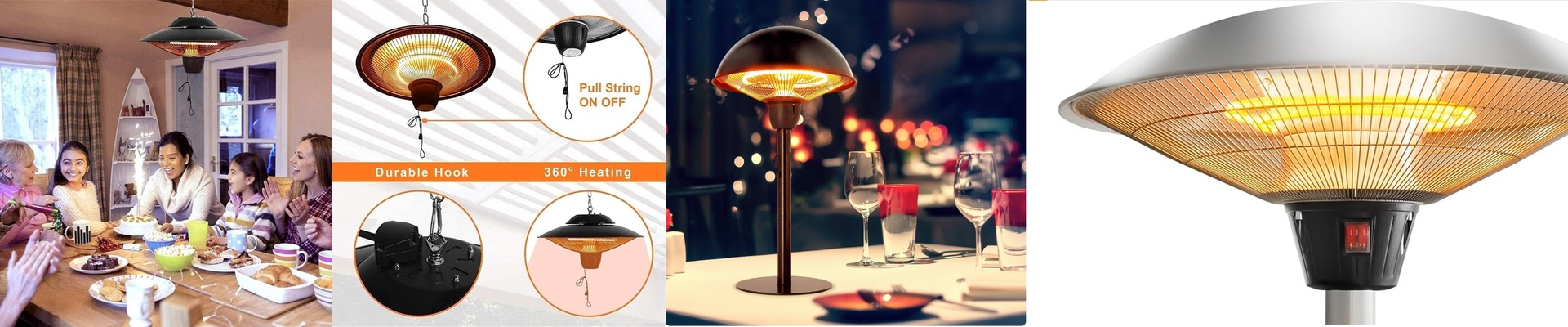
We use circular radiant heaters because they wrap the product in heat. By arranging the elements in a ring or a curve, you get rid of those annoying cold spots that leave half a tray underbaked. Now, you have to get the wattage right for your oven size. High-wattage elements get your temp back up fast, but be careful—they can put a lot of stress on your electrical panels if you overdo it. As for the materials, we stick with quartz or ceramic-coated tubes. Bakery environments are brutal—lots of humidity and steam—and these materials can actually handle the corrosion without falling apart.
The reality check
Look, this setup is precise, but it isn’t magic. You can’t just set it and forget it. IR sensors need a clear line of sight. If flour dust or steam builds up on the lens, your readings will start to drift. You’ve got to make sure your team can get in there and wipe the sensors down without having to tear the whole production line apart. And one last tip: watch your ventilation. If you crank up the radiant heat but don’t have enough airflow, you’ll end up with a burnt crust and a raw center. It’s all about that balance.