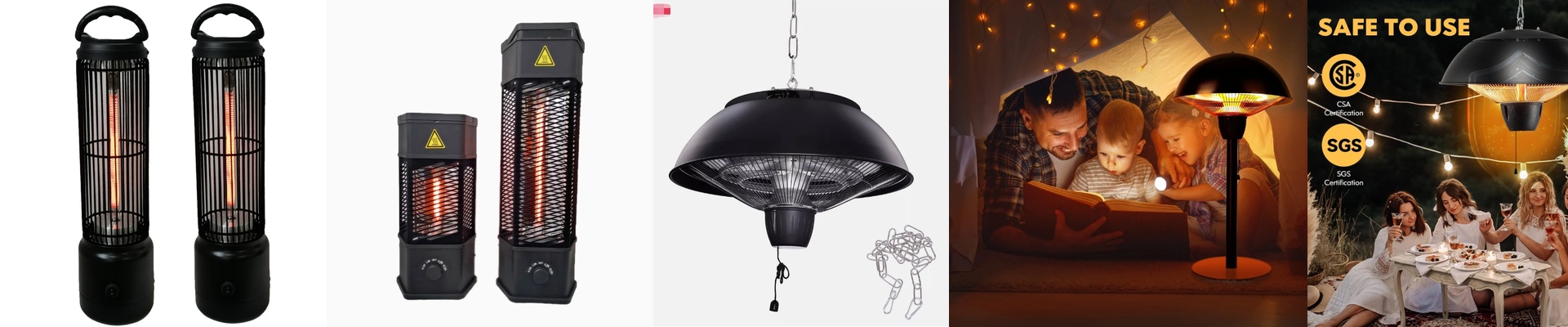
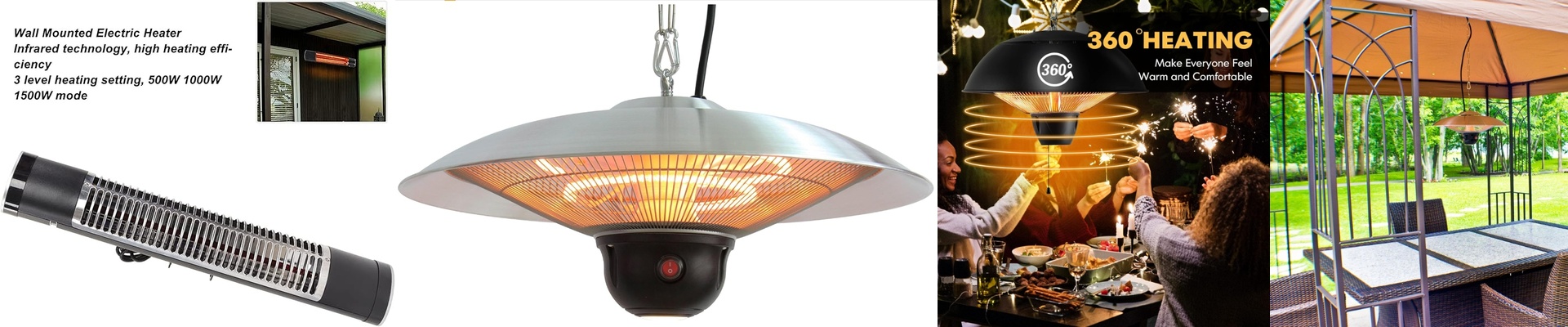


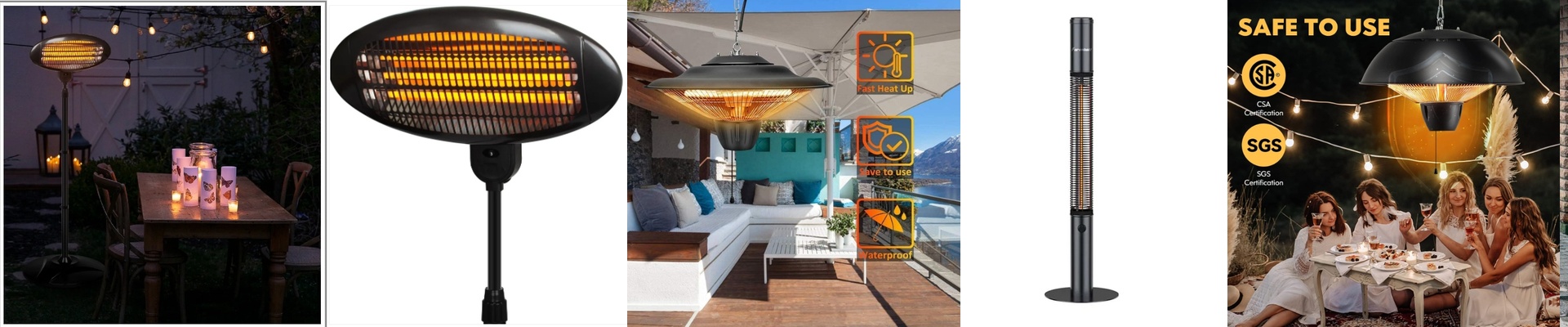
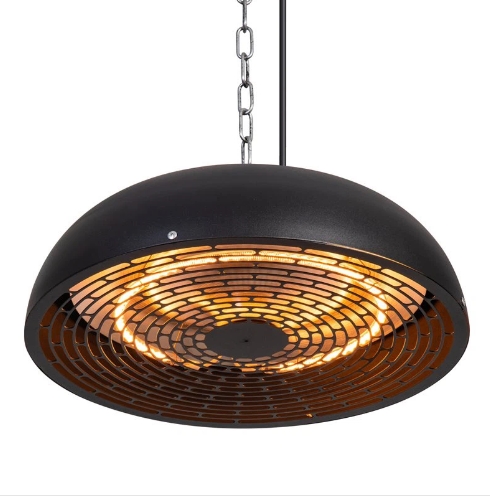
Putting a 1500W infrared heater in your gazebo sounds great until you remember that gazebos are, well, outside. You’ve got humidity, that annoying morning dew, and the occasional rain splash that finds its way in. If you just throw a basic heater up there, moisture is going to find the wiring. That’s a recipe for short circuits or rust. We didn’t want that, so we built this one with a chassis that actually keeps the splashes and fog out. The fight against condensation Here is the real killer: condensation. After you turn the heater off and it starts to cool down, moisture loves to settle right on the quartz tube and the electrical terminals. It’s a nightmare. To stop that, we used sealed gaskets and a hydrophobic coating—basically a shield that stops water from pooling where it shouldn’t. It keeps the guts of the machine dry. If water leaks in, you get current leakage. Our design just pushes the runoff away from the heating element. Simple. Making it actually last Most standard heaters burn out because moisture creates “hot spots” on the tube. The glass expands unevenly, and then—snap—it cracks under the stress. By keeping the heating zone bone-dry, the heat stays consistent. You get a steady 1500W of warmth without the unit giving up on you halfway through the season. A couple of things to keep in mind There is a trade-off. To make the housing splash-proof and tough, it’s a bit heavier than a cheap indoor model. Just double-check that your gazebo beams can handle the extra weight. Also, because the seals are so tight, it doesn’t “breathe” as much as a living room heater would. And please, for your own safety,wire this into a GFCI outlet. It handles any ground faults if things get really wet. Do that, and your heater will take a beating from the weather and keep you warm while everyone else is heading inside.