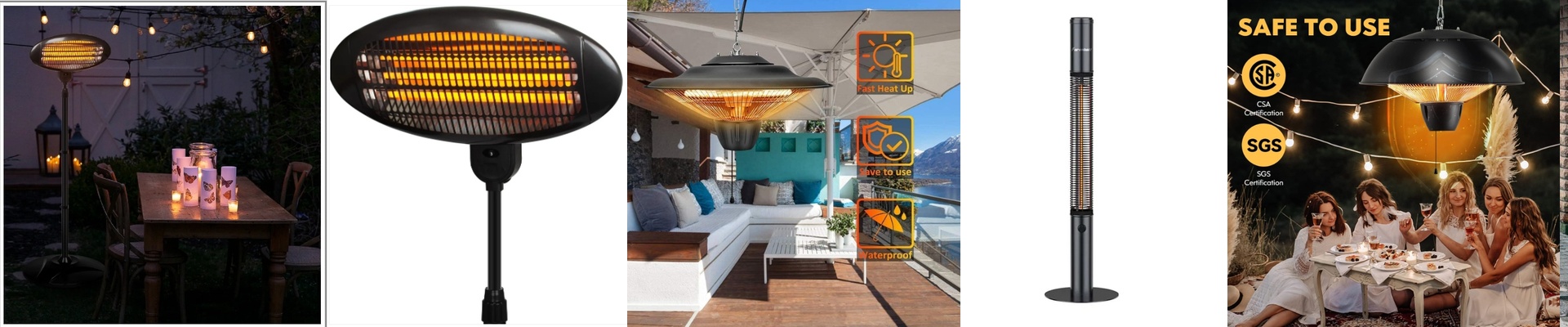
Why Most Poultry Heaters Die (And How We Fixed Ours)
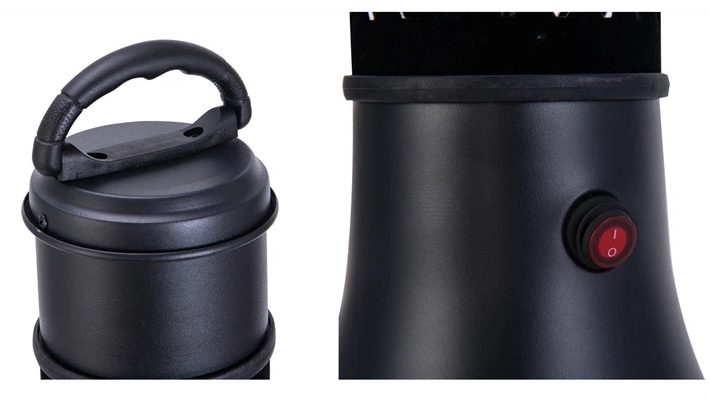
Let’s be honest: chicken coops are gross. Between the thick humidity, the ammonia fumes, and the constant splashing from waterers, it’s basically a torture chamber for electronics. If you’ve ever used a standard infrared lamp, you know they tend to burn out fast in those conditions. It’s frustrating. We got tired of seeing heaters fail, so we built ours to actually survive the coop. Dealing with the damp Condensation is the real killer here. When fog and moisture creep into a heater, you don’t just lose heat—you get electrical shorts. To stop that, we sealed the housing tight. We focused on the airflow and the seals so moisture can’t settle on the heating element. This does two things: it keeps the lens clear so the heat actually reaches your birds, and it stops cold water droplets from hitting a scorching quartz tube. Because, as anyone who’s worked with glass knows, that’s a great way to make it shatter. Built for the splash zone Water happens. Whether it’s a leaky valve or a messy cleaning day, things get wet. We shaped the guards to deflect water away from the electrical connections. Plus, the wiring runs through reinforced conduits, so water can’t just seep into the socket. Now, look—these aren’t submarines. Don’t go dunking them in a bucket. But they can definitely handle the daily chaos of a working coop without tripping your breakers. The trade-off Here is the honest part. Because we sealed everything up to keep the moisture out, the housing itself doesn’t breathe as much as an open-air lamp would. That means you can’t cram them into a tight corner. Just give them the clearance we recommend in the manual. As long as they have a bit of room to breathe, the internal circuits will stay cool even when it’s freezing outside. We spent our time fixing the parts that usually break first—the seals and the connectors. The result? A heater that puts out steady heat, no matter how humid the air gets. You get to spend less time replacing bulbs and more time actually tending to your flock.