

Can a few new heaters actually wake up your old blowing machine?
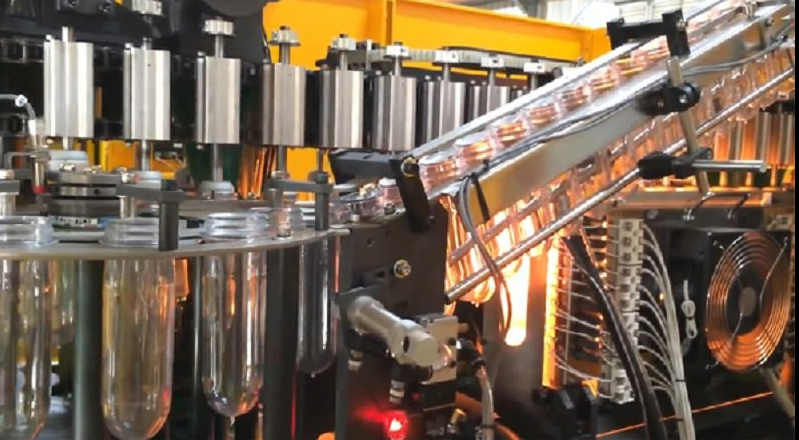
If you’re running an older PET blowing machine, you know the feeling. It just can’t keep up anymore. You’re staring at the cycle times, wishing you could push it harder, and you start thinking the only way out is to drop a huge amount of cash on a brand-new machine. But before you do that, take a look at your heating oven. Most of the time, the bottleneck isn’t the machine itself—it’s the lamps. Those old infrared tubes lose their kick over time. Switching them out for high-density halogen tubes can actually move the needle on your output numbers. The secret is in the heat density. Think of it this way: if you can cram more wattage into a shorter tube, you’re hitting that preform with a lot more thermal energy, and you’re doing it faster. That’s the win. It means you can either speed up the conveyor or shorten the heating tunnel without leaving the plastic under-heated. Just a heads-up, though—if you go with higher voltage or wattage, double-check your electrical cabinet. You don’t want to be tripping breakers in the middle of a peak run because the power supply can’t handle the load. Getting them installed is the easy part. We use heavy-wall quartz glass and special coatings that push the heat forward into the preform. This is great because it stops the heat from soaking back into the machine frame, which keeps things running cooler. Plus, we use R7s or Sk15 connectors. They’re basically plug-and-play. You won’t need to rip out your wiring or spend a weekend rewiring the rack. Just pop them in, tweak your timers, and you’re good to go. Now, there’s a catch. More heat means speed, but it also means you have to be careful. If your rotation speed isn’t dialed in perfectly, you’ll start seeing “hot spots” or even burnt preforms. You’ll probably need to mess with your cooling blow-off settings to handle the more aggressive heat. It’s a bit of a balancing act. When you nail it, your cycle time drops and everything flows. If you rush it, you’ll end up with bottles that have uneven wall thickness. It takes a little patience to get the settings right, but it beats buying a whole new machine.