



Getting Your Sidel Matrix Heat Just Right
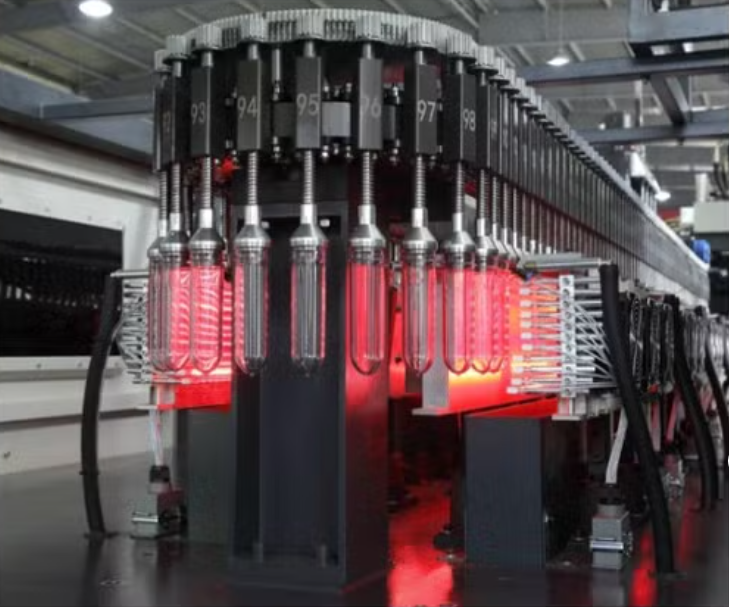
Here is the problem with swapping out OEM lamps in a Sidel Matrix machine: the moment you change a bulb, you risk messing up your temperature curve. If the wattage is off or the light spectrum shifts, your PET preforms heat unevenly. That’s how you end up with wonky wall thickness or those annoying pearlescent streaks in your finished bottles. It’s a headache you don’t need. That’s why we build our replacement lamps to be a dead ringer for the originals.
Why “Close Enough” Isn’t Good Enough
You can’t just match the voltage and wattage and call it a day. It’s deeper than that. We obsess over the heat density for every single millimeter of the quartz tube. In a Sidel Matrix, the power-to-length ratio has to be spot on. If a lamp is even a little bit over-spec, you’ll scorch the surface of the preform. Too low? The plastic never hits that critical glass transition temperature in time. We calibrate our filaments so the infrared emission mirrors the factory specs. The goal is simple: you plug them in, and your oven settings stay exactly where they are. No tweaking. No guessing.
No Fuss, No Rewiring
These are true drop-in replacements. We use high-purity quartz glass because these things go through a brutal thermal cycle. They need to handle the heat without cracking under pressure. Plus, the connectors fit your existing sockets perfectly. You won’t be spending your afternoon rewiring the oven frame or modifying the hardware. We also use specific coatings to tune the short-wave radiation. This makes sure the heat actually sinks into the PET material instead of just warming up the air around it.
One Last Thing: Check Your Reflectors
High-wattage infrared tubes are great for fast cycle times, but they put a lot of stress on your reflectors. If your reflectors are pitted or oxidized, even a perfect lamp won’t save you. The heat won’t bounce back into the preform, and your efficiency will tank. When you’re swapping out the lamps, take a second to look at those reflectors. Give them a check. It’s the only way to make sure you’re actually getting the full power of the new lamps.