


Getting Your Heat Profiles Right: The SIG Blomax 6 Lamp
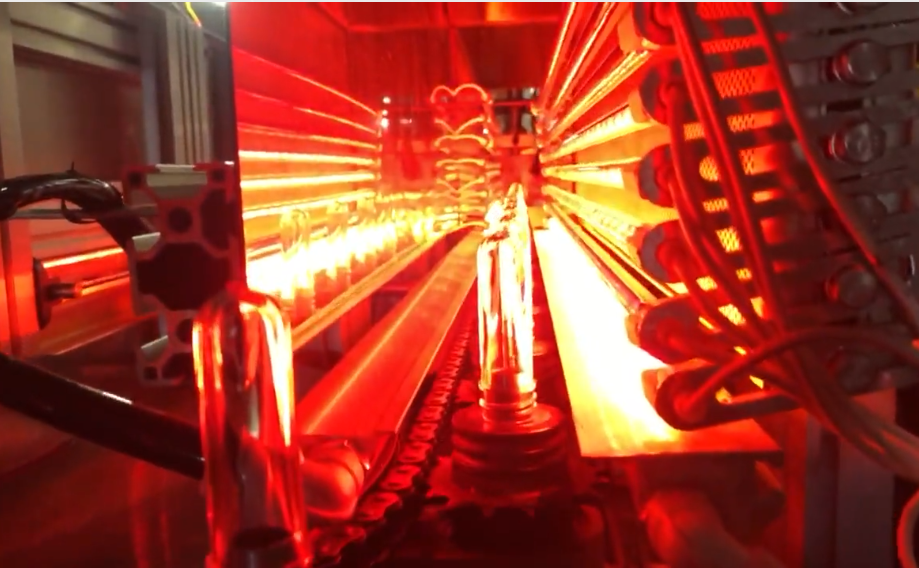
If you’re running a SIG Blomax 6 or a Krones Contiform, you know the drill. Everything depends on those infrared lamps. If the PET preforms don’t soften just right, you’re looking at a mess of uneven bottle walls and wasted plastic. But here’s the problem: OEM lamp prices can be a total gut-punch to your budget. You want to save money, but you can’t afford to gamble with your bottle quality.
The Voltage Headache
We’ve all been there. You try a cheap replacement, and suddenly you’ve got cold spots in the preform or, worse, you’re actually burning the plastic. That happens when the wattage or voltage is slightly off. We built our lamps to mirror the OEM’s electrical footprint exactly. It means the heat flux stays the same. You won’t have to spend your afternoon messing with oven timers or tweaking conveyor speeds just to get the heat curve back to where it belongs. It just works.
No Fiddling with Wires
Nobody wants to spend their shift rewiring a machine. Our lamps use high-purity quartz glass, so they can handle the brutal “on-off-on” thermal shock of a fast cycle without cracking. Plus, the halogen cycle keeps the tube clear, so you aren’t replacing them every five minutes because the glass got cloudy. And the best part? They use standard R7s or Sk15 connectors. You just slide them into the sockets and you’re done. No adapters. No headaches. Just a direct swap.
Some Real Talk from the Shop Floor
Switching to our lamps is an easy win for your maintenance budget. But let me give you a tip to make them actually last. Shortwave lamps put out an insane amount of localized heat. If your reflectors are pitted, dusty, or just plain dirty, the lamp has to work twice as hard to push that heat into the plastic. That kills the tube faster. **Keep those reflectors polished.**It sounds simple, but it’s the difference between a lamp that dies early and one that goes the distance. You get the heat density you need for those fast cycle times, your output stays high, and your cost per bottle actually goes down. Win-win.