Getting Your SIPA SFR 16 Heating Right (Without the Headache)
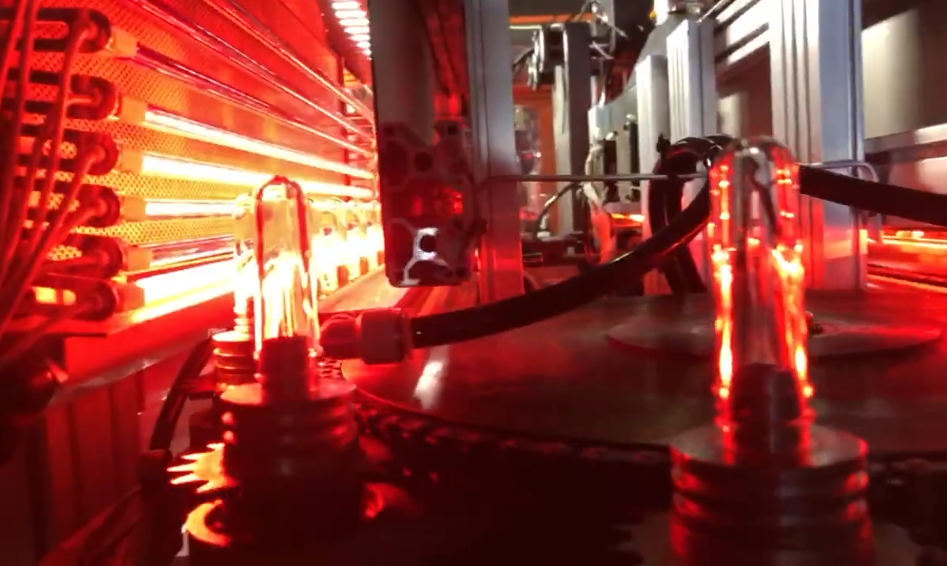
If you’re running a SIPA SFR 16 rotary blower, you already know the drill. Those heating lamps have to hit a very specific temperature, or everything goes sideways. We built our replacement lamps to be a total “drop-in” fit. No tinkering, no machine mods, and no fighting with the hardware just because you aren’t using the OEM parts. The trick with heat density Here is the thing about PET preforms: you need them hot, but not scorched. To nail that balance, we play around with the voltage and wattage across the length of the tube. When you pack high wattage into a small space, you get a massive burst of heat. That’s exactly what you need for those high-speed rotary cycles. But there’s a catch. That kind of intensity puts a lot of pressure on your reflectors. If yours are looking pitted or oxidized, you’re basically throwing energy away. Quartz, Halogen, and the “Blackening” Problem We use heavy-wall quartz glass for a simple reason: it doesn’t bow when things get scorching hot. Then there’s the halogen cycle. It stops the tungsten filament from evaporating and sticking to the glass. You know that “blackening” effect that kills your light output over time? Yeah, we’ve pretty much solved that. As for the connectors, we use standard R7s or SK15 depending on your oven. They fit tight. You won’t be spending your afternoon shimming sockets or wrestling with wiring just to get a clean connection. Built for the grind Rotary machines are brutal. They vibrate constantly and cycle on and off without a break. We spec our materials to take that beating so you don’t have to worry about a lamp popping at the worst possible moment. And while these are great for the SFR 16, they actually work with about 95% of the blowing equipment out there. It makes your scheduled stops a lot easier. You can swap a lamp out without stressing over whether it’s a millimeter too long or if the voltage is slightly off. Just plug it in, calibrate your PID controllers, and get back to work.